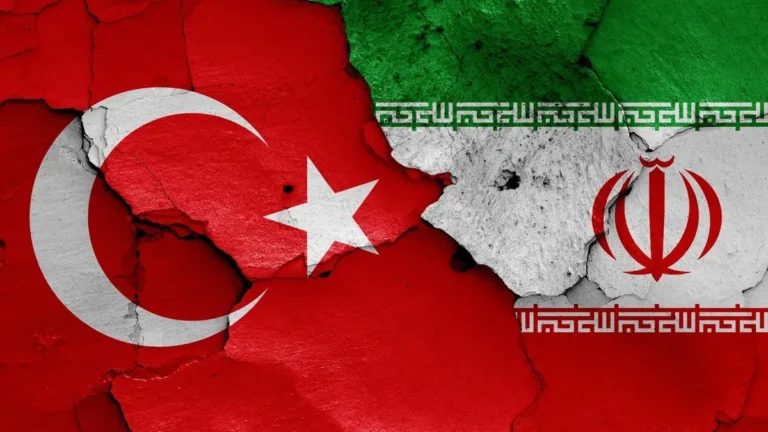
Ankara, Turkey – Turkish media reports have revealed an official plan in Ankara to establish a “buffer zone” along the border with Iran. This comes as part of proactive contingency plans to address any potential repercussions stemming from internal instability in Iran, or foreign interventions that could lead to large waves of migration towards Turkish territory. The newspaper Turkey Today reported that the Turkish Foreign Ministry held a closed meeting with the Parliament’s Foreign Affairs Committee. During the meeting, officials presented detailed assessments of the regional situation, particularly in Syria and Iran. The officials also indicated that Ankara has prepared “Plans A, B, and C” to deal with various possible scenarios. They emphasized that while Turkey opposes any foreign intervention that destabilizes the region, it is prepared for all eventualities.
Officials indicated during the meeting that in the event of a large-scale migration wave from Iran, establishing a buffer zone within the Iranian side of the border might be necessary. This would keep those wishing to leave within Iranian territory. This strategy is based on Turkey’s previous experience in establishing buffer zones along its border with Syria. The aim is to control the security and humanitarian repercussions and protect border cities from sudden refugee crises. The meeting also presented what officials described as shocking data regarding the situation inside Iran, with estimates indicating that the recent protests in the country have resulted in the deaths of more than four thousand people and injuries to approximately 20,000 others. Ankara is using these estimates to assess the potential scale of a “popular uprising” and its impact on Turkish border security.
Observers believe that announcing these plans at such a sensitive time carries a dual message. The first is to Tehran, urging it to control its internal situation and curb violence. The second is to the international community, indicating that Turkey will not bear the burden of a new wave of migration alone and is prepared to take military and logistical action if the situation requires it to protect its eastern borders. This move comes at a time of growing Turkish concerns about unregulated migration flows. This is occurring against the backdrop of Iran’s declining capacity to maintain internal security, as well as escalating regional tensions that could lead to unrest on Ankara’s eastern borders.