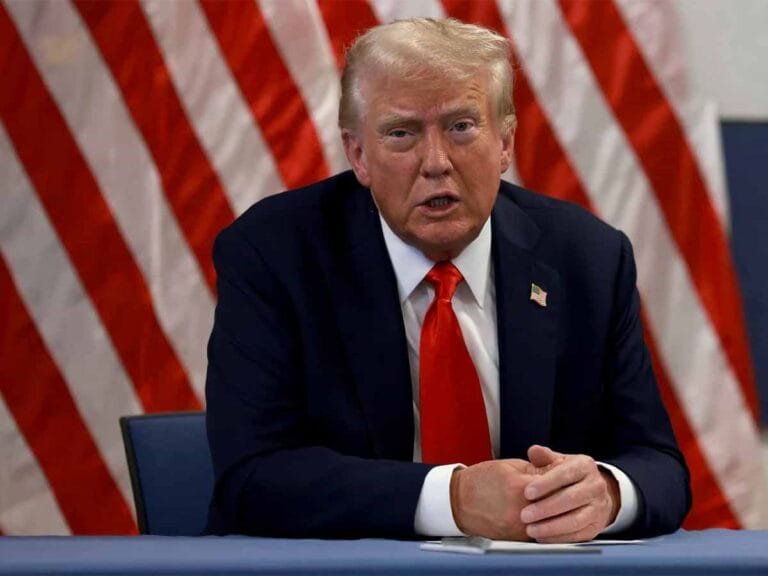
Washington, DC – Governments and world leaders expressed clear caution on Sunday regarding US President Donald Trump’s proposal to form what he called a “peace council” to resolve international conflicts. The move comes amid diplomatic concerns that it could undermine the role and standing of the United Nations in managing global crises.
According to diplomats on Twitter, invitations have been extended to some 60 countries to join the new council. These invitations began arriving in European capitals in recent hours. However, only Hungary, a close ally of Trump, has announced its full acceptance of the initiative. Other countries have preferred to wait or refrain from commenting publicly.
According to documents seen by Reuters, the proposal includes Trump serving as president of the council for life. The council would begin its work with the Gaza Strip and later expand to address other conflicts. The plan also stipulates that membership terms would be three years. Furthermore, permanent membership would be granted to countries that contribute $1 billion to fund the council’s activities.
The use of the term “charter” in the invitation letter has raised concerns among several European governments. These governments view the initiative as an attempt to create an international framework parallel to the United Nations. A European diplomat said the plan appears to be “an alternative version that ignores the foundations of the UN Charter.” He also warned that its implementation could undermine the legitimacy of the international organization.
In contrast, some countries expressed cautious openness to the idea. Italian Prime Minister Giorgia Meloni said her country was “ready to play its part,” without specifying the scope of that role. Canadian Prime Minister Mark Carney also announced his initial agreement with the idea of a peace council specifically for Gaza, but stressed that the details were still being studied.
For her part, a senior UN official emphasized that the international organization remains the only framework morally and legally capable of bringing all countries together. She also warned that questioning this role could lead the world into “difficult times.”
Observers believe that Trump’s initiative, through which he seeks to play a prominent international role in peace processes, opens the door to a wide debate about the future of the international order. Ultimately, the initiative raises questions about the limits of alternative frameworks to the UN’s role in conflict management.