Moscow, Russia – The Kremlin announced that Russian President Vladimir Putin is conducting intensive diplomatic contacts as part of mediation efforts regarding the escalating situation in Iran,
in an attempt to contain the rapidly rising tensions.
This follows two separate phone calls he held with Israeli Prime Minister Benjamin Netanyahu and Iranian President Masoud Pezeshkian.
The Kremlin explained that Putin discussed with Netanyahu ideas aimed at strengthening stability in the Middle East.
It affirmed Russia’s readiness to continue its mediation efforts and encourage constructive dialogue
with the participation of all relevant parties, without disclosing further details about the proposals under discussion.
In another call, the Iranian president briefed his Russian counterpart on what he described
as Tehran’s ongoing efforts to restore normalcy following the recent wave of protests.
Reducing tensions in the region
The statement affirmed that Moscow and Tehran stressed the importance of de-escalating tensions in Iran and the region
as a whole as soon as possible, and addressing outstanding issues solely through political and diplomatic means.
They also reaffirmed their commitment to the strategic partnership between the two countries and the implementation of joint economic projects.
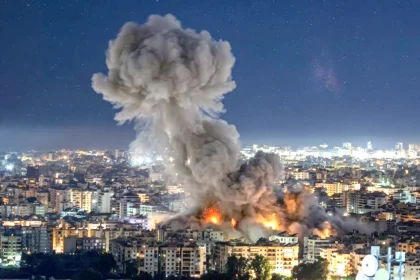
These moves come amid escalating tensions between Iran on one side, and the United States and Israel on the other,
following threats issued by US President Donald Trump to launch new military strikes against Iran if the crackdown on protests continues.
Threats and military escalation
Moscow had previously condemned these threats, stating that any military escalation would further complicate the regional situation.
In recent years, Russia has been trying to strengthen its ties with Iran, particularly since the outbreak of the war in Ukraine.
Last year, Putin and Pezeshkian signed a 20-year strategic partnership agreement.
The Shanghai Cooperation Organisation (SCO), which includes Russia, China, India, and Iran, has also declared its opposition to any external interference in Iranian affairs,
blaming Western sanctions for exacerbating the economic and social crises that have contributed to the unrest.
Observers believe that Iran’s stability is a strategic priority for Moscow, given its loss of regional allies in recent times,
and its efforts to maintain its influence in the Middle East and prevent the region from sliding into wider conflicts.