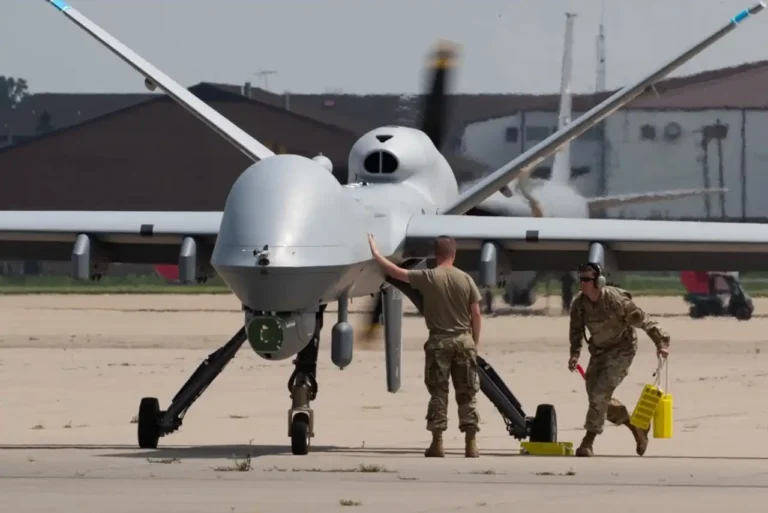
Washington, DC – In a move reflecting a calculated flexibility in trade and security policies, Washington announced exemptions for certain foreign drone imports from restrictions imposed during the administration of former US President Donald Trump. This exemption, valid until the end of 2026, aims to balance security considerations with market needs and technological advancements.
This exemption comes at a time of rapid growth in the drone sector. Civilian and military institutions, as well as private companies, are increasingly relying on this technology in various fields, including aerial photography, logistics, agriculture, and security and defense applications.
The Trump administration had imposed strict restrictions on the import of foreign drones, citing the need to protect US national security and reduce reliance on foreign technologies, particularly those from countries considered strategic competitors of the United States. However, these restrictions faced widespread criticism from American companies, which argued that the ban stifled innovation, increased costs, and reduced competitiveness.
According to informed sources, the new exemptions will cover specific types of drones and their components, especially those used for civilian and commercial purposes, while maintaining the strict restrictions on sensitive systems or those associated with military and intelligence applications.
Analysts believe the decision reflects a growing awareness within Washington policymakers of the difficulty of completely decoupling from global supply chains, particularly in advanced technology sectors. It also indicates an attempt to strike a balance between protecting national security and supporting innovation and economic growth.
Meanwhile, relevant authorities emphasized that the exemption is temporary and subject to periodic reviews. Risk assessments related to imports will continue to ensure that U.S. strategic interests are not harmed.
This decision is expected to alleviate pressure on companies and users within the United States. It will pave the way for broader technological cooperation in the coming period, amidst an increasingly competitive international environment vying for leadership in the field of drones and related technologies.