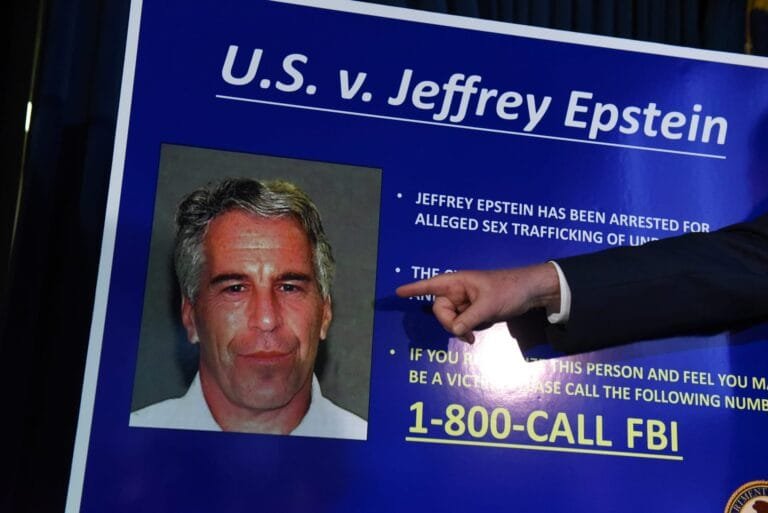
Washington, DC – Leaked documents allegedly related to the late American businessman Jeffrey Epstein have reignited controversy in political and media circles. Western platforms and websites circulated claims and images purportedly showing former US President Bill Clinton in sensitive material, once again placing him at the center of accusations linked to one of the most sensational cases in recent American history.
According to media reports, the widely circulated leaks sparked a wave of sharp criticism. This was especially true given Epstein’s association with sex trafficking and human exploitation scandals, and the long list of influential figures who had previously dealt with him or whose names appeared in his private records.
In contrast, those close to Clinton reiterated the former president’s previous stances, in which he categorically denied any involvement in illegal activities, emphasizing that his relationship with Epstein was limited to occasional social encounters, with no connection to crimes or suspicious practices.
Observers believe that the resurgence of these leaks comes at a highly sensitive political and media juncture. This coincides with escalating public demands for full disclosure of the Epstein case and for the extent of involvement of all public figures, without exception, amidst ongoing doubts surrounding the circumstances of his death in prison in 2019.
Legal experts warn against blindly accepting information published on social media without judicial verification. They emphasize that leaks and allegations do not constitute legal grounds for conviction unless supported by official evidence and rulings issued by competent authorities.
The Jeffrey Epstein affair remains an open wound in the American landscape, with each new leak raising difficult questions about influence, power, and the limits of accountability. It also places prominent figures once again under the public spotlight.