London, UK – Writer and researcher Jihad Al-Dinari has achieved a prominent cultural milestone following the availability of his book “Who Killed Michael Jackson?” across several international platforms and libraries, successfully making its way to the shelves of prestigious global academic libraries, most notably Oxford and Cambridge universities. This step is a positive indicator reflecting the expanding presence of Arab literature within educational and cultural institutions worldwide.
An Analytical Reading of the Pop Legend’s Departure
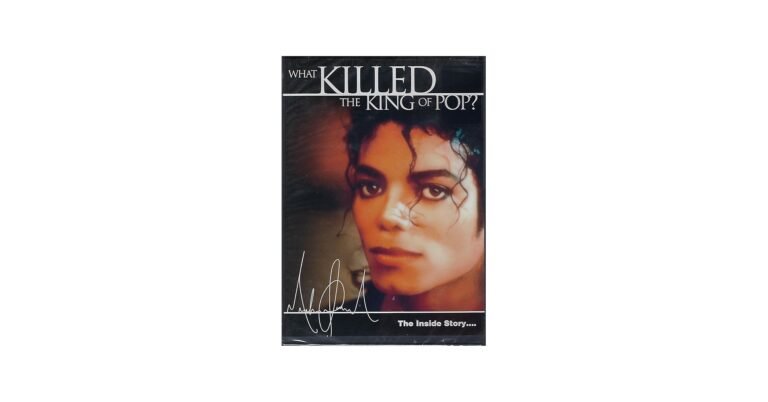
The book details the complex circumstances surrounding the death of global pop music legend Michael Jackson. The author reviews a series of testimonies, documents, and reports raised around this thorny issue, providing an in-depth analytical reading of the events that preceded his sudden departure and the widespread media and legal controversy that followed.
Growing Global Interest in Arab Content
The arrival of this publication at prestigious academic libraries the size of Oxford and Cambridge is clear evidence of the growing interest in Arab content, particularly works that address global issues and figures from a serious research and analytical perspective. This achievement coincides with major universities’ trend toward expanding their knowledge resources to provide diverse references that meet the needs of their students and researchers.
Enhancing Presence in Cultural Markets
Cultural experts and commentators emphasized that the book’s availability on international platforms and libraries grants it an exceptional opportunity to reach a broader demographic of readers and researchers around the world. This presence also contributes to elevating the status of the Arab writer and Arabic-language content within global cultural markets, which witness fierce competition among publications in various languages.
Diversifying Knowledge Resources
This achievement comes in the context of a noticeable growth in interest in Arab literature and writings outside the region. Many international academic institutions are now actively seeking to diversify their knowledge content by incorporating works that tackle cultural, artistic, and historical issues of shared global interest. Meanwhile, the book “Who Killed Michael Jackson?” continues to attract readers passionate about the late artist’s biography, capitalizing on the overwhelming popularity he still retains as one of the most prominent musical icons in modern history.