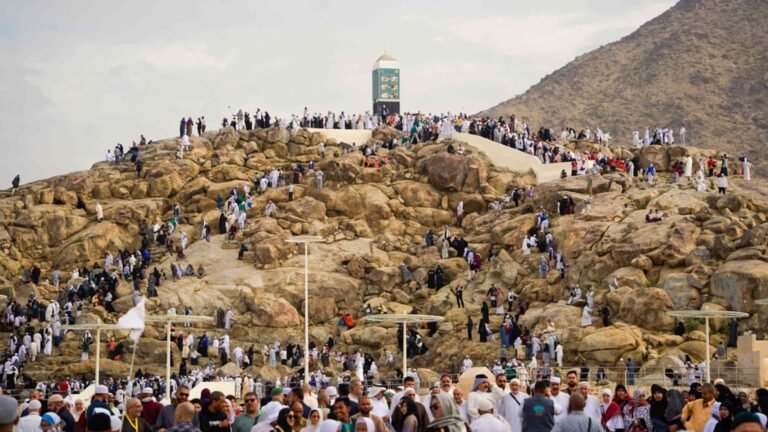
Makkah – Kingdom of Saudi Arabia — Throughout history, Hajj seasons have witnessed varying phases during which this great religious pillar was profoundly impacted by major crises—ranging from the spread of deadly epidemics to geopolitical conflicts, alongside natural disasters that posed complex challenges to pilgrimage routes and organizational logistics. The history of Hajj remains a living testament to the resilience of this ritual and its capacity to endure diverse global challenges, solidifying its place as a paramount spiritual cornerstone across centuries.
Epidemics and the Disruption of Land and Sea Caravan Routes
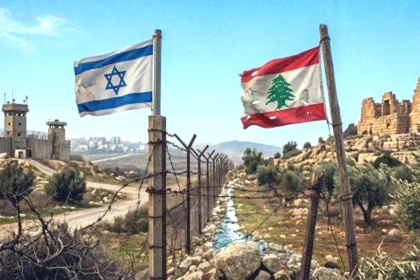
During multiple historical eras, waves of plague, cholera, and other infectious diseases led to a sharp decline in pilgrim numbers. At times, it led to the total halt of delegations arriving from specific Islamic regions out of fear of contagion along ancient travel routes that relied heavily on prolonged land and sea caravans. Furthermore, political instability and regional conflicts disrupted Hajj movements in several eras. Warfare frequently rendered caravan trails insecure due to banditry or geopolitical friction between rival dynasties, hindering Muslims from various corners of the world from performing the rituals at their designated times.
Natural Disasters and Infrastructure Vulnerability
The challenges were not confined to disease and politics; Hajj seasons also faced recurrent natural disasters such as flash floods, torrential rains, and famines. These events directly overwhelmed the limited infrastructure of ancient times and compounded the difficulties of movement and sustenance within Makkah and the Holy Sites, historically resulting in severe human and material losses among the pilgrims.
The Modern Era: Organizational Breakthroughs and Managing Exceptional Crises
With the evolution of Hajj management in the modern era, particularly under the Saudi state, the season has experienced an unprecedented leap in organization, healthcare systems, and security protocols. The integration of digital infrastructure and massive architectural projects has effectively mitigated the impact of crises and safely accommodated millions of pilgrims simultaneously. This robust system proved its efficiency even during global anomalies like the Coronavirus (COVID-19) pandemic, which necessitated temporary, highly controlled restrictions on pilgrim capacities to safeguard global public health.