Bogota, Colombia – Home to tens of thousands of colorful butterflies, Colombia has become a global hub for the live butterfly trade.
Which is no longer limited to selling only,
Rather, it has become a means of beautifying gardens and promoting ecotourism.
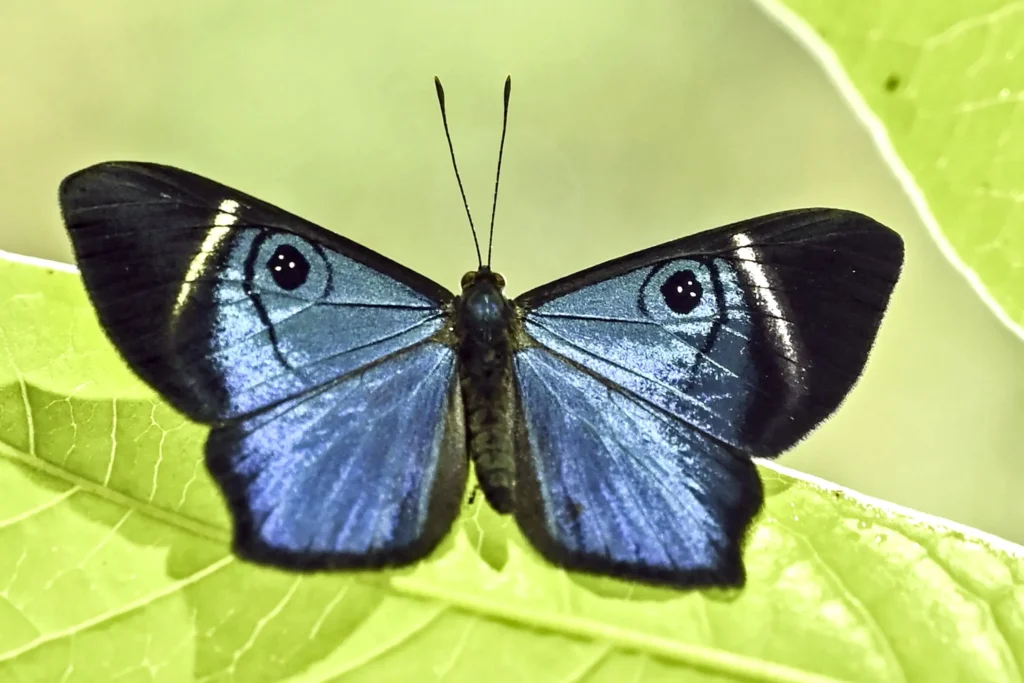
founder
Local projects such as Alas de Colombia, founded by a mother
and daughter to raise butterflies in private farms and reserves,
Where butterflies are produced for re-release in gardens or export to exhibitions,
It also provides a stable source of income for rural families, especially women.
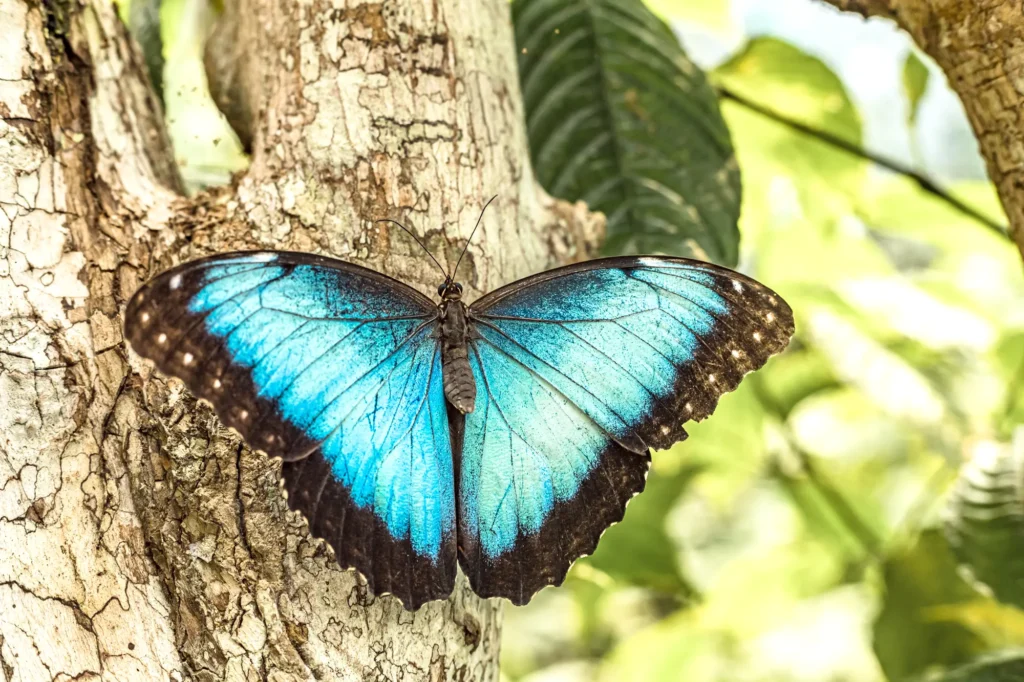
Benefits of live butterflies
Butterfly cocoons are raised in attractive transparent containers
and then released at environmental events and educational celebrations.
This creates an enjoyable experience for visitors
and encourages direct interaction with nature.
The butterfly trade helps protect native species
and reduces reliance on indiscriminate hunting.
It also provides real and sustainable job opportunities
for rural communities.
It promotes ecotourism and raises public awareness
of the importance of biodiversity.

Challenges
Despite the benefits, challenges remain, including the risk of unregulated trade in rare species.
The threat of deforestation to its natural habitats and the need to monitor export and import operations.
This is to maintain a balance between the economy and nature.
The live butterfly trade in Colombia has transformed from a simple economic
activity into a model that combines profit and environmental protection.
It beautifies gardens and provides new income opportunities for rural communities.