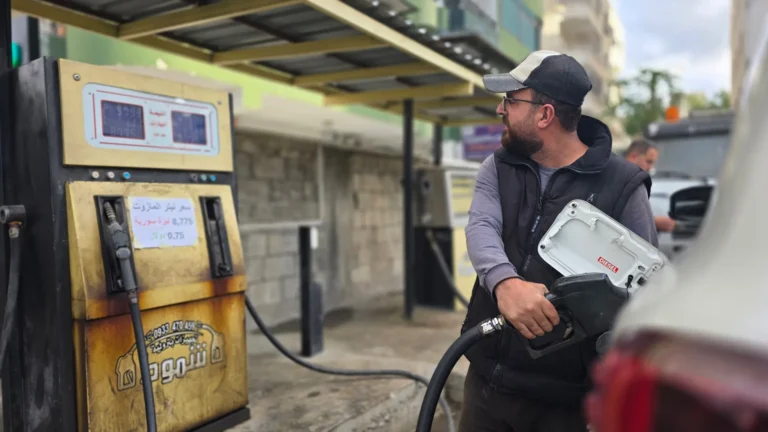
Damascus, Syria – In a move aimed at stabilizing the market and easing the cost of living, the Syrian Minister of Energy announced on Sunday the approval of the recommendations of the Standing Committee for Determining the Prices of Petroleum Products and Mineral Resources. These recommendations stipulated a reduction in the prices of petroleum derivatives by varying percentages, and the changes took effect immediately upon issuance of the decision.
Details of the new price bulletin
The bulletin, issued in the new Syrian pound, included significant reductions in fuel and gas prices, with the new prices as follows:
95 octane gasoline: decreased by 20.39% to reach 130 lira per liter.
Octane 90 gasoline: decreased by 19.97% to reach 125 lira per liter.
Diesel: It decreased by 14.37% to reach 107 liras per liter.
Domestic gas cylinder: decreased by 15.49% to become 1,500 lira.
Industrial gas cylinder: decreased by 15.49% to become 2,400 lira.
Decision determinants and mechanisms
This decision comes as part of the periodic review conducted by the joint government committee, which includes representatives from the Ministries of Oil, Economy, and Finance, in coordination with the Central Bank of Syria.
The committee explained that its recommendations were based on a careful assessment of three main factors: fluctuations in global oil prices, shipping and insurance costs along logistical routes, and improvements in domestic monetary indicators and reduced pressure on the exchange rate. This created a “safety margin” that allowed for price adjustments in line with the purchasing power of the new Syrian pound.
Public expectations and hopes
The price reduction aims to mitigate inflation and lower production costs for the industrial, agricultural, and service sectors. While Syrian citizens hope these reductions will be reflected in the prices of goods and services in general, the success of this measure hinges on the responsiveness of economic actors and producers to the new pricing structure.
This decision coincides with a period of relative stability in the exchange rate, bolstering hopes for a sustained supply of petroleum products in the markets. It also places the onus on traders and producers to translate these price reductions into tangible benefits for citizens. This comes amidst the economic challenges facing the country.