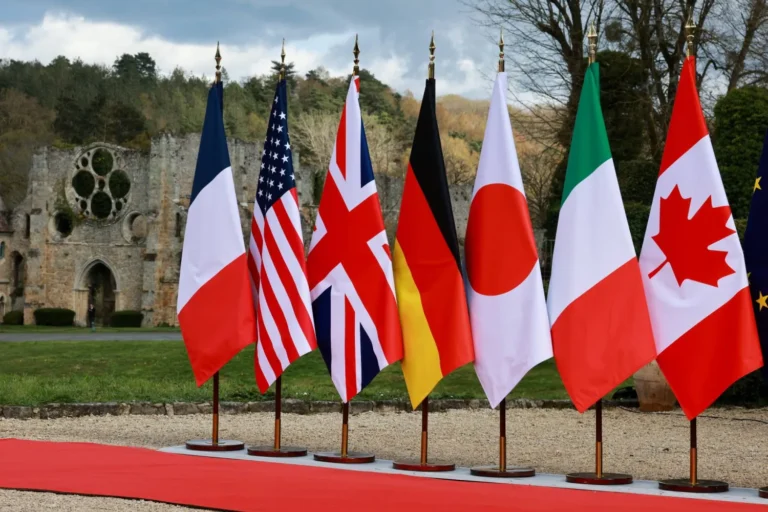
Ottawa, Canada – The G7 nations are exploring joint measures to address the turmoil in global fertilizer markets amid escalating tensions between Iran and Israel. This has led to concerns about supply chains and the prices of essential agricultural inputs.
Ministers and officials from member countries reportedly held intensive meetings and consultations to discuss ways to mitigate the impact of current market volatility. There is also growing concern about rising agricultural production costs and their potential impact on food prices in many countries.
Participants emphasized the importance of maintaining the smooth flow of international trade in agricultural products and production inputs, including fertilizers and related raw materials. They stressed the need to strengthen cooperation between producing and consuming countries to avoid supply shortages in the coming period.
Discussions also addressed the possibility of coordinating trade and logistics policies and exchanging information related to stockpiles and production. This aims to enhance market stability and mitigate the impact of any disruptions that may arise from geopolitical tensions in the Middle East region.
Economic experts believe that continued regional escalation could increase pressure on energy, transportation, and shipping markets. This could directly impact the cost of producing and transporting fertilizers globally. Therefore, these developments are prompting major economies to seek joint mechanisms to mitigate risks and ensure the stability of agricultural supplies.
The G7 countries affirmed their commitment to continued close coordination to monitor developments in global markets. They will also take the necessary measures to maintain global food security and reduce the potential economic repercussions of escalating international crises.