Tehran, Iran – In a devastating blow to the purchasing power of Iranian citizens, markets across various Iranian provinces have witnessed a sudden and unprecedented surge in bread prices. The price of some varieties has increased by as much as 100%. This price hike comes at a time when families are already struggling with mounting inflationary pressures and delays in the implementation of promised salary increases. This places a large segment of workers, retirees, and those with limited incomes in the face of a cost-of-living crisis that is worsening daily.
Price shock and its repercussions
Eid Ali Karimi, the executive secretary of the Qazvin Workers’ House, criticized the price hikes, describing them as a “shock” to the community.
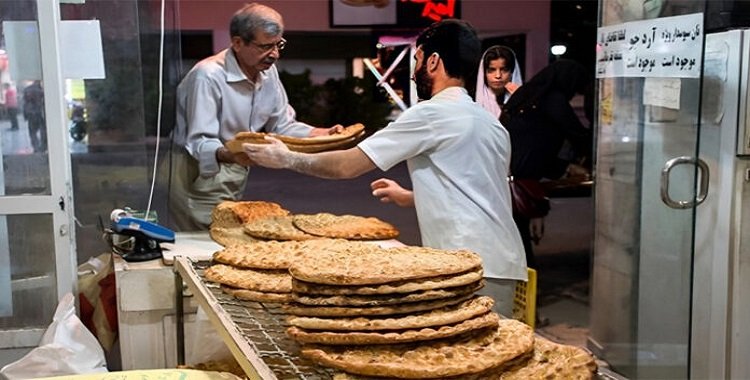
In statements to the Iranian news agency ILNA, Karimi explained that the new prices had seen sharp increases. The price of subsidized lavash bread rose from 1,000 to 1,900 tomans. Similarly, the price of sanjak (a type of flatbread) jumped from 4,500 to 8,500 tomans, and the price of barbari (another type of flatbread) reached 6,750 tomans.
Karimi warned that this price hike is not merely a bread crisis, but a harbinger of cascading inflation that will affect dozens of flour-based products, such as pasta and biscuits. This increase will further strain household budgets already burdened by rising prices for medicine, dairy products, and cooking oil.
Unfulfilled promises and inflation exceeding statistics
These price hikes coincide with the stalled implementation of promises to increase pensions and social security benefits for the year 1405 AH (2014/2015). Local media reports indicate the possibility that June salaries will be paid without any increases due to a lack of resources. This scenario is repeating itself, widening the gap between income and the cost of living.
Officially, the Iranian Statistical Center recorded an annual inflation rate of 57.7%, with the consumer price index rising by 83.9% compared to last year. However, the reality on the ground is far harsher, with many economists believing that the actual inflation experienced by families in the markets exceeds 110%. Therefore, official statistics remain far removed from the daily struggles of ordinary citizens.
Food basket in the wind
Market surveys show that the pressure on household budgets has reached critical levels. The average price of 11 basic food items rose by approximately 148% last year. Cooking oil topped the list of items with the highest price increases, exceeding 350%, followed by eggs at 340%, then roast chicken at 300%, and cheese at nearly 150%.
This decline in the purchasing power of the local currency is forcing low-income families to make difficult choices, as they are compelled to reduce their consumption of food and medicine to keep up with the costs of housing and transportation.
With the continuation of price shocks, observers fear a wider deterioration in living standards, especially as basic food items are being excluded from the tables of the poor, exacerbating social crises and economic pressures on the most vulnerable segments of society.