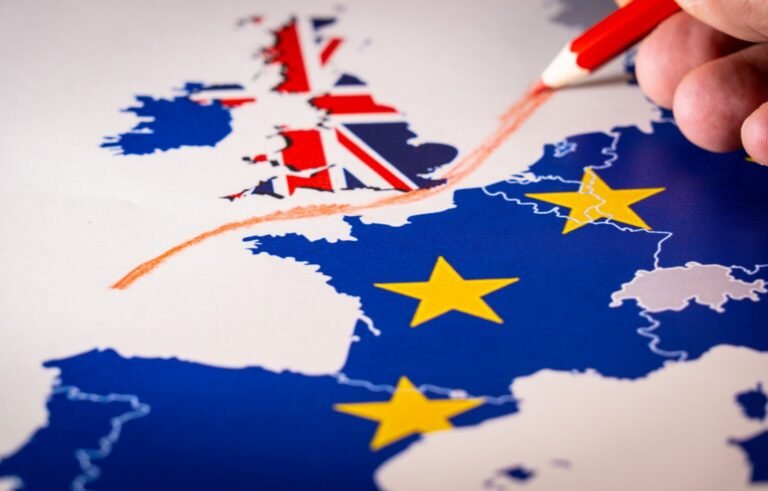
London, UK – Britain is considering a new proposal to strengthen economic cooperation with the European Union by creating a more integrated framework for the exchange of goods. This move could represent a significant development in the nature of economic relations between the two sides, following years of challenges after the UK’s departure from the EU.
These moves come as the British government seeks to rebuild trade cooperation channels. It also aims to reduce the complexities associated with import and export procedures, particularly as businesses continue to complain about increased costs and bureaucratic hurdles. These complexities have hampered cross-border trade since the implementation of the Brexit agreement.
According to reports, the proposal aims to create a more streamlined environment for the movement of goods between Britain and the European Union. This would reduce customs barriers and minimize delays associated with inspection procedures and regulatory requirements. Proponents argue that such an approach could give British companies greater access to European markets. Furthermore, it would help maintain the stability of supply chains.
Economic estimates suggest that enhanced trade cooperation between the two sides could revitalize vital sectors such as food, pharmaceuticals, and technology. In addition, this cooperation would support small and medium-sized enterprises (SMEs) that have been impacted by regulatory changes in recent years.
Conversely, the proposal is sparking political debate within Britain. Some opponents argue that any significant economic convergence with the European Union could lead to increased regulatory obligations or a reduction in the independence of British trade decisions. Supporters, however, maintain that the current priority is achieving sustainable economic growth and easing pressures on businesses.
Observers are viewing these developments as an indicator of a new phase in British-European relations, particularly in light of global economic challenges and the growing need to build more flexible trade partnerships capable of adapting to international changes.