Brussels, Belgium – Concerns are growing within European economic and energy circles about the potential for significant disruptions to global oil and gas supplies, given the escalating tensions with Iran and fears of disruptions to shipping in the Strait of Hormuz, one of the world’s most important maritime energy transit routes.
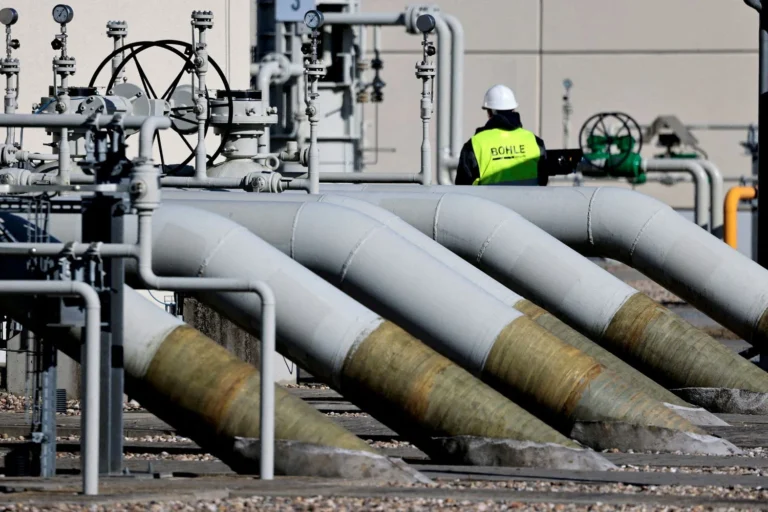
International reports indicate that any widespread disruption or potential closure of the strait could directly impact global energy markets, especially since a large portion of crude oil and liquefied natural gas exports pass through this strategic waterway. This could present Europe with increasing challenges related to energy security and price stability.
Energy experts believe that European markets remain cautious in the face of geopolitical developments in the Gulf region, particularly after the successive crises that have plagued energy markets in recent years. These crises have prompted EU countries to seek alternatives to traditional supplies and diversify their import sources.
Analysts have also warned that any decline in supply could lead to a rise in global oil prices, which would, in turn, affect transportation and industrial costs, as well as the prices of goods and services within European markets. This could place additional pressure on economies still striving to maintain growth rates and control inflation.
Meanwhile, several European countries are closely monitoring developments, taking steps to bolster their strategic energy reserves and assess contingency plans to mitigate any potential repercussions that could affect supply stability in the coming period.