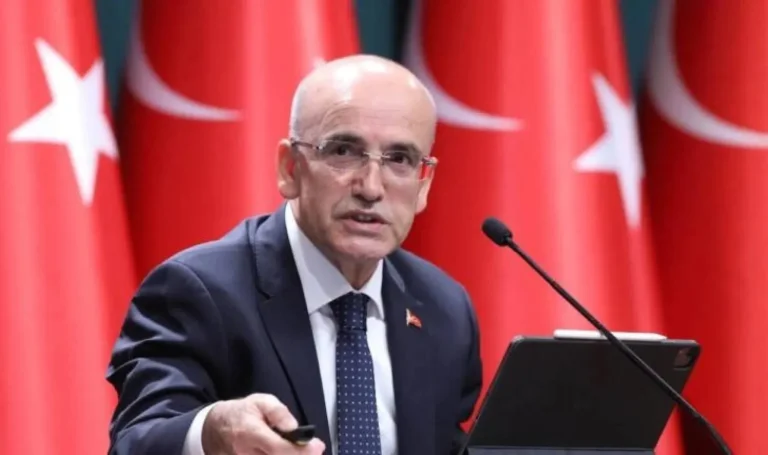
Ankara, Turkey – Turkish Finance Minister Mehmet Şimşek affirmed that the Turkish economy possesses a strong “immune system” and a high capacity to manage external shocks. He also emphasized that financial authorities are prepared to take further measures and utilize a proactive set of tools should the repercussions of the conflict in the Middle East persist.
In an interview with Haberturk TV, Şimşek explained that the effects of the current crisis could be “temporary and reversible.” He believes this is the case if the recent ceasefire between the United States and Iran holds.
Contingency plans to address oil and gas volatility
Şimşek noted that the ministry has a prepared response plan for all scenarios. He emphasized that the government will not be satisfied with the measures already taken if the ceasefire collapses and energy and raw material prices begin to rise again.
The minister warned that a prolonged shock could lead to a slowdown in global growth and higher inflation. However, he reassured markets that Turkey demonstrated its resilience last year in dealing with similar crises, such as trade wars and agricultural frosts.
Energy subsidies and preventing fuel price explosions
In a striking revelation about the extent of government support, the Minister of Finance explained that the “tiered pricing” system protected Turkish consumers from massive price hikes. He emphasized that without this system, the price of a liter of diesel would have reached 103 Turkish lira and gasoline 78 lira. Currently, the price of gasoline is stable at 64 lira thanks to sacrifices made in the public budget. He stressed that the government’s top priority remains combating the high cost of living and mitigating the effects of inflation, which has been exacerbated by rising global oil prices.
Strong reserves and international credibility
Şimşek dispelled concerns about foreign liquidity, announcing that Turkey’s reserves are strong and stand at approximately $162 billion. He emphasized that the country’s financial situation is significantly better than it was in the past.
He pointed out that Turkey has outperformed many developing countries. The stock market has also demonstrated greater resilience despite being located in a conflict zone. This, he said, reflects the building of genuine credibility for the implemented economic program.
Warning to price manipulators and rejection of “tax amnesty”
Domestically, the minister issued a stern warning to middlemen exploiting the war to inflate prices by five to ten times. He emphasized that the Ministry of Trade and tax authorities are actively pursuing these “exorbitant pricing practices.”
Şimşek concluded by ruling out any debt “restructuring” plan resembling a tax amnesty. He also indicated that the state will continue to collect taxes from high-income earners and those who “make money from money.” He further confirmed that payment plans and installment options will be offered to struggling companies that submit formal applications.