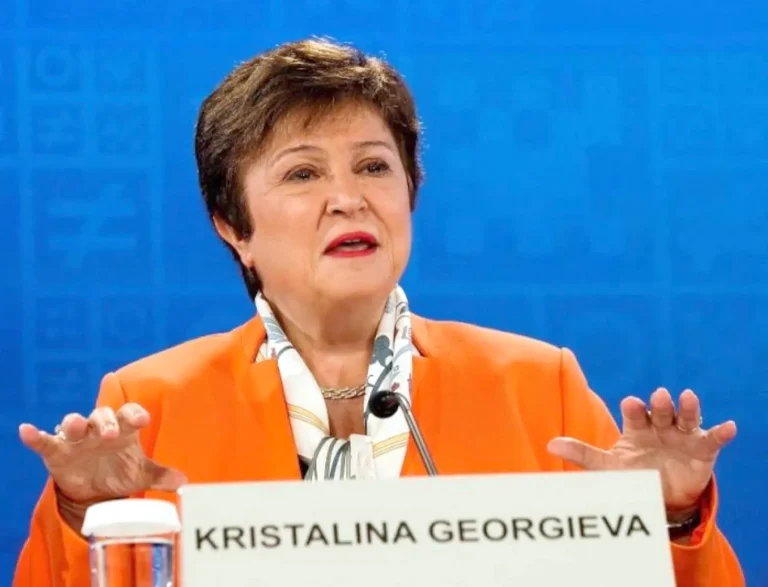
Washington, DC – International Monetary Fund Managing Director Kristalina Georgieva predicted that demand for financial support would rise to between $20 billion and $50 billion in the coming period. This comes as a result of the economic repercussions of the war with Iran. Additionally, it is due to its impact on the global economy.
Shock in energy markets
Georgieva explained that the war, despite its temporary cessation, caused a severe shock to global supplies. Oil flows fell by 13%, and liquefied natural gas supplies dropped by about 20%. This led to a sharp rise in energy prices and widespread disruptions to supply chains.
Global growth forecasts lowered
Georgieva confirmed that these developments prompted the IMF to lower its global economic growth forecasts. She also noted that the current crisis represents a true test of the international economy’s resilience to geopolitical shocks.
International focus on containing the repercussions
Georgieva noted that the upcoming meetings of the IMF and the World Bank will focus on ways to address the repercussions of the war and provide support to the most affected countries. This will help contain the economic impact and prevent the crisis from worsening.
Georgieva emphasized that international cooperation will be crucial in confronting these challenges. This is especially important given the continued pressure on energy markets and global trade.