Tel Aviv, Israel – In a strategic development that could alleviate the regional energy crisis, the Israeli Energy Ministry announced Friday the resumption of operations at the Leviathan natural gas field in the eastern Mediterranean.
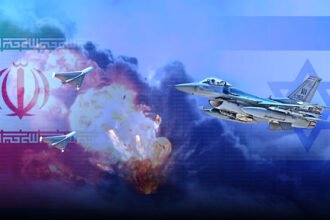
This field is a key source of gas supplies to both Egypt and Jordan. It had been shut down as a precautionary measure since the outbreak of the full-scale military confrontation with Iran last February.
Gradual return of supplies and exports
A spokesperson for the Israeli Ministry of Energy explained that gas supplies to the domestic market would begin to increase gradually and in a controlled manner.
She indicated that exports to Cairo and Amman would resume as soon as the additional platform was operational and the pipelines secured. She also confirmed that the decision to restart operations followed thorough security assessments of the risks in the Mediterranean basin. For its part, Chevron, the global operator of the field, referred all inquiries to the Ministry and declined to comment on the details of the production timeline.
A lifeline for Egypt’s national energy security
Resuming production from the Leviathan field is of paramount importance to Egyptian national security. Egypt, which recently became a net importer of gas, is experiencing immense pressure on its national electricity grid. In recent weeks, the Egyptian government has been forced to implement plans to reduce electricity consumption and implement load shedding. This is a result of a severe fuel shortage for power plants, coinciding with soaring global energy prices fueled by regional conflict.
The Strait of Hormuz stranglehold and the Qatari gas crisis
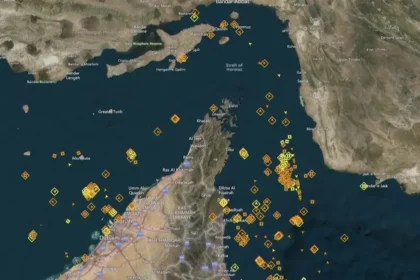
This limited easing of tensions in the Eastern Mediterranean comes at a time when the world is facing a severe supply crisis. Disruptions to shipping through the Strait of Hormuz have hampered approximately one-fifth of global liquefied natural gas (LNG) supplies. The crisis was exacerbated by the significant missile damage last month to Qatar’s largest LNG facility. As a result, this damage has further reduced the options available to importers worldwide.
Iran has imposed strict controls on maritime traffic through the Strait of Hormuz since the start of the US and Israeli strikes, with passage often restricted to vessels with special Iranian permission.
Giant gas tankers have avoided this vital waterway to avoid being targeted. Consequently, the return of Mediterranean gas fields like Leviathan has become a temporary lifeline for regional energy supplies in these complex geopolitical circumstances.