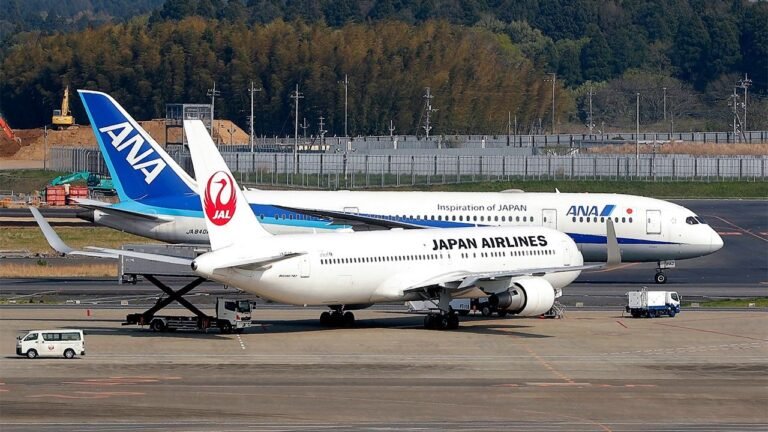
Tokyo, Japan – Passengers on international flights operated by ANA Holdings and Japan Airlines (JAL) will face a sharp increase in fuel surcharges starting in June, an industry source confirmed Wednesday. The move is driven by soaring global jet fuel prices, which have been directly impacted by escalating geopolitical tensions and conflicts in the Middle East.
According to the source, record-breaking prices are weighing heavily on travelers. Flights to Europe and North America will see the largest increases; ANA’s surcharge is expected to jump by 23,100 yen to 55,000 yen during June and July. Meanwhile, JAL plans to raise its surcharge by 21,000 yen to 50,000 yen. These surcharges are applied separately from the base ticket price. This mechanism is in place to ensure that airlines can cope with the volatility of the oil market.
For regional flights, ANA fares to China and Taiwan are likely to increase by 4,900 yen to 14,300 yen, while JAL will raise its fares by 5,000 yen to 12,400 yen. For nearby destinations such as South Korea and Russia, fares will reach their highest levels under the current pricing system, with increases ranging from 2,900 to 3,200 yen. This sharp increase is attributed to the doubling of the price of aviation kerosene in the Singapore market during March, compared to levels prior to the outbreak of conflict in February. These fares are calculated bimonthly based on average prices. Thus, the June and July fares reflect the market fluctuations recorded in February and March.
These decisions are raising serious concerns among tourism experts about their potential negative impact on travel demand during the upcoming summer holiday season. The concern is compounded by the rising cost of long-haul flights, which may exceed the budgets of many families. The system has been expanded to include domestic flights, and in a strategic shift to counter prolonged high oil prices, JAL is seriously considering implementing a fuel surcharge on domestic flights starting in the spring of 2027. According to sources, ANA and Skymark are also considering similar measures. This could fundamentally alter the pricing structure of domestic airfares in Japan in the near future.