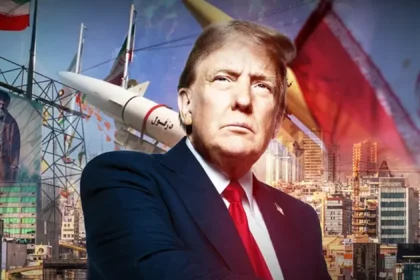
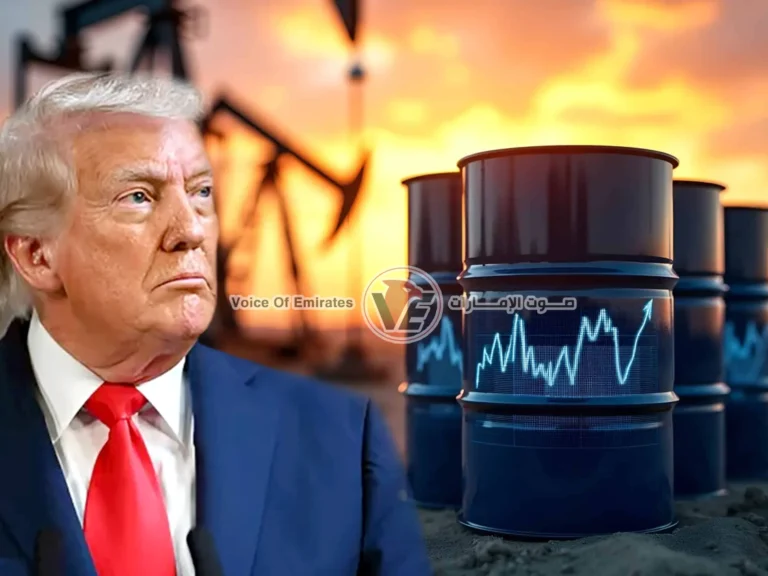
Washington, DC – In a swift and sharp reaction, oil prices plummeted by more than 13% following reports that President Donald Trump had decided to postpone strikes against Iranian energy infrastructure, easing concerns about global supply disruptions.
This steep decline came after a record-breaking rally in recent days, fueled by escalating tensions
and the possibility of attacks on critical facilities that could lead to significant oil supply shortages.
Reassess the risks
Analysts believe that markets had priced in a worst-case scenario,
anticipating widespread supply disruptions, particularly from the Gulf region.
However, the postponement decision temporarily restored balance and prompted investors to reassess risks.
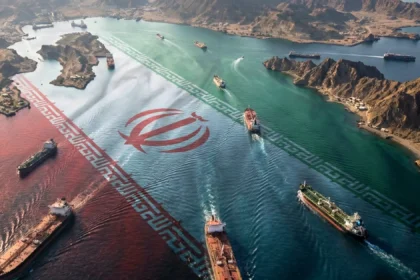
Expectations of continued oil flow through vital waterways, most notably the Strait of Hormuz,
also played a key role in calming concerns, directly impacting prices, which had fallen rapidly.
Energy market sensitivity
Conversely, experts warn that this decline may be temporary, as tensions persist,
and any further escalation could cause prices to rise sharply, especially given the fragile geopolitical landscape.
This sharp fluctuation reflects the sensitivity of energy markets to political events,
where prices are no longer determined solely by supply and demand factors,
but have become hostage to military decisions and political statements.
Between a postponed decision and a confused market, oil remains a “prisoner of tension,”
rising with fear and falling with any glimmer of de-escalation.