Baghdad, Iraq – In a strategic move aimed at breaking the deadlock in energy exports and overcoming geopolitical obstacles, Iraqi Deputy Prime Minister for Energy Affairs and Oil Minister Hayyan Abdul Ghani revealed significant developments in crude oil transportation on Monday. The minister announced that the oil export pipeline from the Kirkuk fields to the Turkish port of Ceyhan will be fully operational within just one week. He also confirmed that the new route will operate completely independently, bypassing the Kurdistan Region.
Operational efficiency and schedule
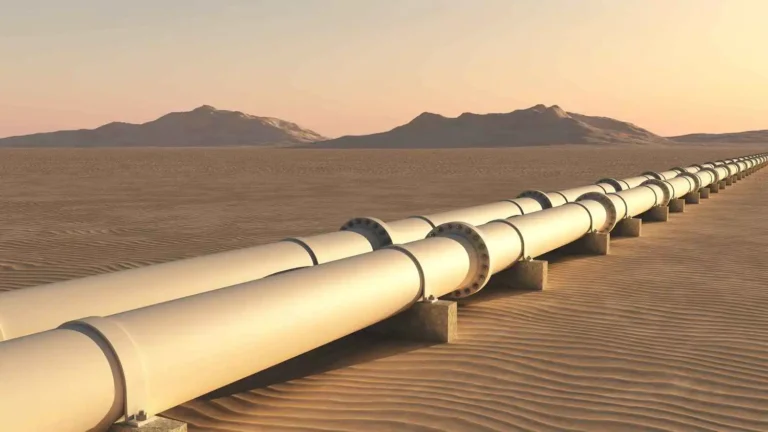
In a detailed press statement today, Abdul Ghani explained that the Iraqi-Turkish pipeline, with an export capacity ranging from 200,000 to 250,000 barrels per day, is currently undergoing final inspection and qualification phases. He indicated that the technical teams have only about 100 kilometers left to complete the “hydrostatic testing,” a crucial technical procedure to ensure the pipeline’s safety under pressure. This is expected to be completed within the next seven days. This achievement will pave the way for pumping oil directly from the northern fields to global markets.
The repercussions of the Strait of Hormuz crisis on production
The minister addressed the current challenges, explaining that the ongoing military operations in the Gulf region and the closure of the Strait of Hormuz have paralyzed traditional export routes, leading to a forced halt just days after the unrest began. Abdul Ghani revealed that Iraq, which previously exported 3.4 million barrels per day through its southern ports and the port of Basra, has been forced to reduce its total production to between 1.5 and 1.6 million barrels per day. This is out of Iraq’s OPEC quota of 4.4 million barrels per day. This reduction was a precautionary measure. Current production is limited to meeting the needs of domestic refineries and power plants. The minister confirmed the suspension of operations at major fields such as West Qurna 1 and 2, Faihaa, Majnoon, and Halfaya. However, work continues at the central fields to ensure the flow of gas to the electricity grid.
Alternative plans and new routes
In the search for safe export routes, the Oil Minister revealed diplomatic and technical efforts underway to begin exports via the Turkish port of Ceyhan. Additionally, tenders have been issued to revive exports through the Syrian port of Banias and the Jordanian Aqaba pipeline. Domestically, Abdul Ghani reassured citizens that refineries are operating at full capacity to produce refined products (gasoline, diesel, kerosene) and liquefied petroleum gas (LPG), while maintaining a strategic reserve for emergencies. He also noted the Ministry’s success in rehabilitating the pumps at the strategic pumping station. This will allow for the pumping of 250,000 barrels of Basra crude oil to northern refineries. Conversely, a similar quantity of Kirkuk crude will be exported via the Turkish pipeline as soon as its inspection is completed, ensuring the continuity of revenue despite the complexities of the regional landscape.