Damascus, Syria – US Special Envoy to Syria, Tom Barrack, outlined a new roadmap for the Middle East. He also revealed intensive diplomatic efforts led by Washington to end existing conflicts and expand regional stability through parallel negotiation tracks.
Antalya surprise: The Damascus-Tel Aviv route
During a high-level panel discussion at the Antalya Diplomacy Forum on Friday, Barak made a political surprise by announcing a serious move to resume talks between Syria and Israel.
The US envoy indicated that current signs support the possibility of reaching a formal normalization agreement between Damascus and Tel Aviv. He noted that this path could achieve a historic breakthrough and might even precede a similar agreement between Israel and Lebanon.
“Political intelligence” and a calm Syrian stance
Barak attributed this optimism to the recent stance adopted by the Syrian leadership. He explained that Syria “dealt intelligently” with the regional escalation that followed the events of October 2023. Barak also quoted Syrian President Ahmed al-Sharaa as clearly affirming his unwillingness to engage in any direct military confrontation with Israel. This was reflected on the ground through the control of the border and the prevention of any missile launches from Syrian territory.
Lebanon’s roadmap and White House pressures
On the Lebanese front, the US envoy affirmed that the Trump administration, under the direct supervision of Secretary of State Marco Rubio, is exerting real pressure on the Israeli side to push for a ceasefire.
He explained that any anticipated agreement would be implemented in “gradual phases.” He also noted the necessity of learning from past lessons and reviewing the shortcomings of the 2014 agreement to ensure the sustainability of the truce.
The current leadership and Hezbollah’s weapons
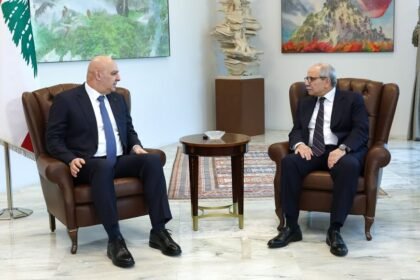
Barak praised the competence of the current Lebanese leadership, represented by President Joseph Aoun and Prime Minister Nawaf Salam, describing them as “the best to have run the country.” However, he stressed that achieving a comprehensive peace requires “opening a political channel of communication with Hezbollah.” This runs parallel to Washington’s strategic goal of reaching an agreement that includes “the disarmament of the party.”
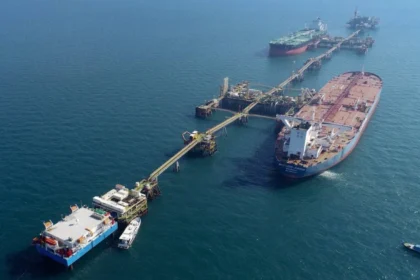
Barak concluded by calling on the international community to seek logistical alternatives to the Strait of Hormuz to ensure the stability of global energy flows, insulating them from the vagaries of politics and security.