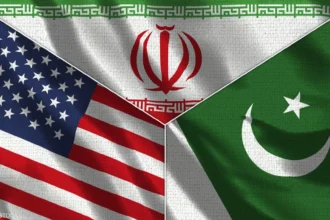
New York, USA – In a move that has sparked much controversy and raised many questions, The New York Times, citing four senior officials, reported that the Iranian national football team has finally received the green light to participate in the 2026 World Cup finals hosted by the United States. This comes after months of anticipation and uncertainty surrounding the team’s participation in this global event.
The newspaper confirmed that all 26 players on the Iranian national team have officially received visas to enter the United States, guaranteeing their participation in the tournament. This decision comes at a highly sensitive time, as the 2026 World Cup will mark a historic first: a team representing a country at war with one of the host nations will participate. Consequently, organizers and US security officials have been presented with complex logistical and political challenges.
Wholesale rejection of support staff and officials
Despite the players receiving visas, the report revealed that US authorities imposed restrictions on the accompanying delegation. On Friday, June 5, an Iranian official went to the US embassy to collect passports. There, he was surprised to find that visa applications for more than a dozen members of the team’s staff had been rejected. The list of those denied included several members of the coaching staff, fitness coaches, analysts, medical personnel, and administrative officials from the Iranian Football Federation.
Exception for the president of the federation
According to the New York Times, citing its sources, one of the most prominent figures whose entry requests were denied is Mehdi Taj, head of the Iranian Football Federation. This denial is linked to his past professional background as a member of the Iranian Revolutionary Guard. He has previously faced restrictions on his international travel on several occasions as a result of this affiliation.
It is worth noting that the issue of Iran’s participation has been a focus of international and sporting attention for the past few months, given the escalating political and military tensions. This situation has placed significant pressure on FIFA and the US government to ensure the separation of politics from sports and to guarantee that participating teams adhere to international protocols. With the players’ participation now secured, attention is turning to how the Iranian Football Federation will address the severe shortage of its technical and administrative staff. The question remains whether this exclusion will affect the team’s performance on the field in the tournament, which is eagerly anticipated by football fans worldwide.