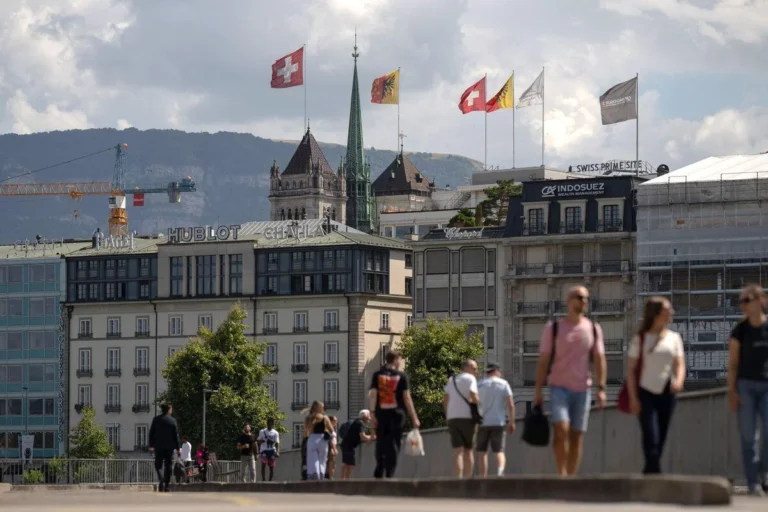
Bern, Switzerland – All eyes are on Switzerland as a highly anticipated referendum approaches, sparking widespread debate in political and economic circles. Citizens will vote on a proposal to cap population growth in the coming years. Supporters argue that this measure is necessary to preserve resources and infrastructure, while opponents warn of significant economic and social repercussions.
The referendum comes amid growing concerns about the strain on transportation networks, housing, and public services caused by the continued rise in population. Supporters of the proposal also argue that the country needs stricter policies to ensure sustainable development. They emphasize the need to preserve quality of life and the natural environment.
In contrast, the Swiss government and several political parties assert that imposing direct restrictions on population growth could negatively impact the labor market and the competitiveness of the economy, especially since many vital sectors rely on foreign labor to meet their growing needs.
The proposal has also sparked a broad debate about immigration policies and the future of the country’s demographics. Its critics argue that addressing infrastructure and housing challenges should be done through planning and investment, not by imposing numerical limits on the population.
The referendum results are expected to be closely watched internationally, given the potential political precedent they could set in addressing population growth and immigration issues in developed countries. A clear divide exists between those who consider the move necessary to protect national resources and those who view it as a threat to economic growth and the labor market.
Observers are eagerly awaiting the outcome, as it could shape Switzerland’s population and immigration policies in the coming years. It may also open the door to similar debates in other European countries facing complex demographic and economic challenges.