
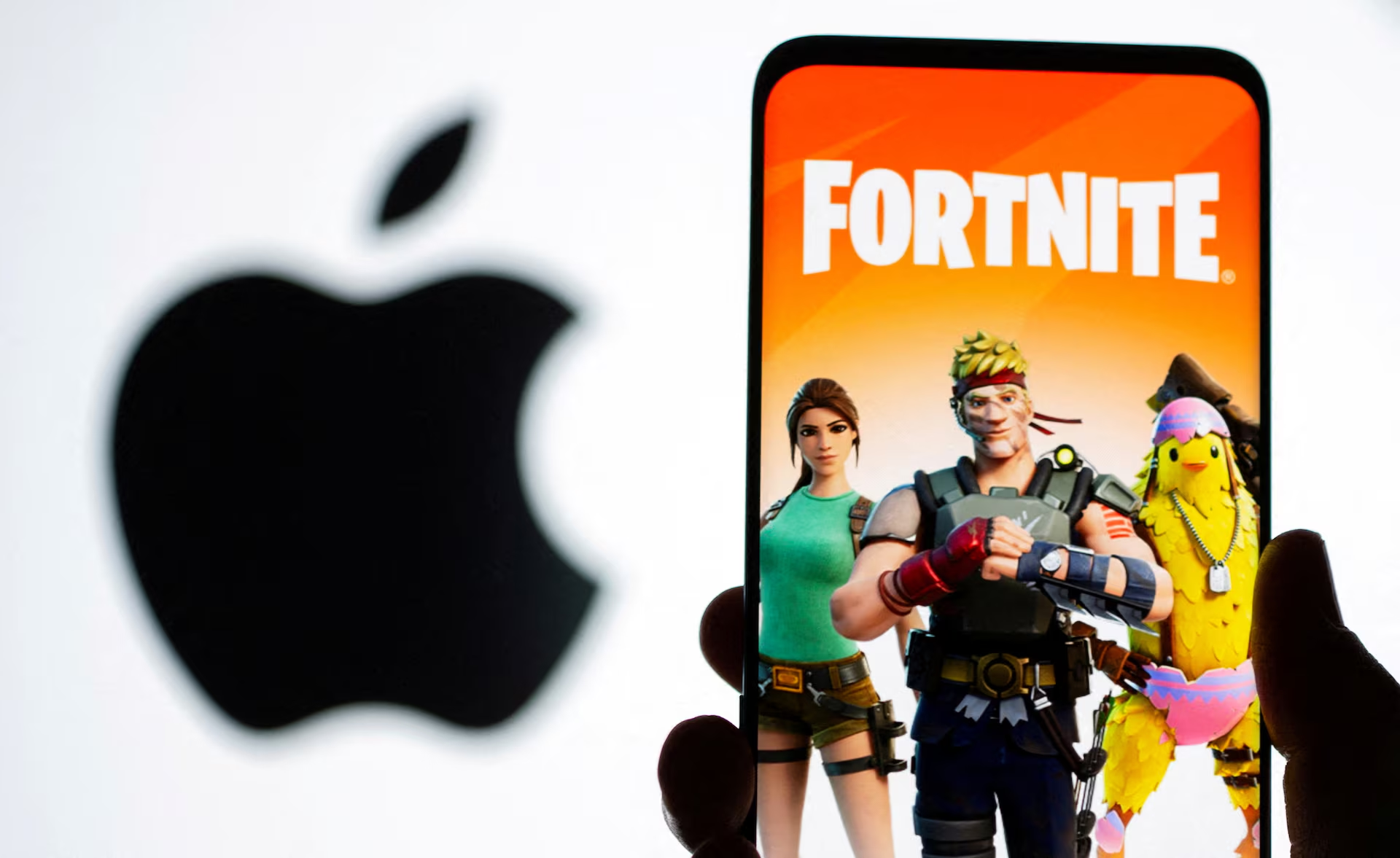
Cairo – Technology – The intense crisis between Apple and Fortnite developer “Epic Games” continues openly. Although previous court rulings were viewed by experts as a prelude to the game’s return, the Apple and Epic Games dispute remains unresolved without a final solution. Furthermore, both parties refuse to offer substantial concessions that would end the years-long standoff. Consequently, Apple device users still face difficulties accessing the official version of the popular game. In this regard, this confrontation reflects the power struggle in the global software market in early 2026.
Roots of the Crisis and Monopoly Policies in Apple’s App Store
The roots of the current crisis go back to the strict App Store policies imposed by Apple. Obviously, the dispute focuses primarily on in-app purchase commissions and the electronic payment mechanisms followed. As a result, Epic Games took firm legal action against Apple, accusing it of monopolistic practices. In addition, Epic Games believes that these policies limit fair competition and harm the interests of both developers and players. However, Apple defends its business model as the safest way to protect user security and privacy worldwide.
Conflicting Interpretations of Court Rulings Hinder Fortnite’s Return
Despite the changes Apple recently made to some of its policies, Fortnite has not fully returned to the official store. Accordingly, both sides exchange accusations regarding the variation in interpreting and implementing court rulings issued in the United States. On the other hand, Apple insists that the changes it applied fully meet the legal requirements. In the same context, Epic Games considers these adjustments “superficial” and claims they do not address the core issue of payment method freedom. Hence, the Apple and Epic Games dispute remains a primary obstacle to the game’s return to millions of smart devices.
Broad Impacts on the Future of Digital App Stores
The global technology sector follows this case with great interest due to its broad future implications. Certainly, the outcomes of the Apple and Epic Games dispute will shape new policies for major app stores. For this reason, developers await what the upcoming legal rounds will yield in forming the digital software market. Simultaneously, some countries have begun enacting new laws that force major companies to open their platforms to competitors. Ultimately, this case will remain one of the most prominent legal disputes determining the future of monopoly and innovation in the world of smart applications.