
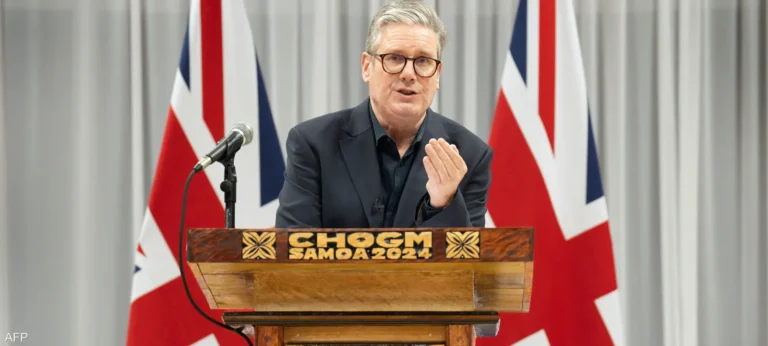
London, England – British Prime Minister Keir Starmer is facing unprecedented political pressure in the House of Lords following the escalating debate over a proposed ban on social media use for children under 16. This pressure comes as the issue has quickly become a test of his government’s ability to pass its legislative priorities amidst internal and external divisions.
The upper house of the British Parliament is considering an amendment that would impose the ban immediately, similar to the approach taken by countries like Australia, where social media companies have closed hundreds of thousands of accounts belonging to minors. Starmer, however, has preferred consultations and studies before making any final decision. He has also stressed the need to assess the impact of the ban on children, families, and the digital community. As a result, he has been placed on the defensive by members of the House of Lords who are demanding urgent protection for children.
Political analysts fear that a vote by the House of Lords in favor of the amendment could trigger a crisis for Starmer’s government in the House of Commons. In that case, the Labour Party would have to mobilize its MPs to oppose the amendment or negotiate a change to it. This comes amid internal divisions over the appropriate age for using social media platforms.
The British scene is also witnessing increasing public pressure from parents and civil society organizations, who are demanding protection for children from the dangers of digital addiction and harmful content. Conversely, some believe that a blanket ban is not the ideal solution. They argue that regulating the platforms and developing effective safety policies might be more effective in the long run.
While Starmer tries to balance children’s safety with freedom of digital expression, the bigger question remains: Will his government succeed in passing its plans without damaging his popularity or facing an open political crisis in the British Parliament?