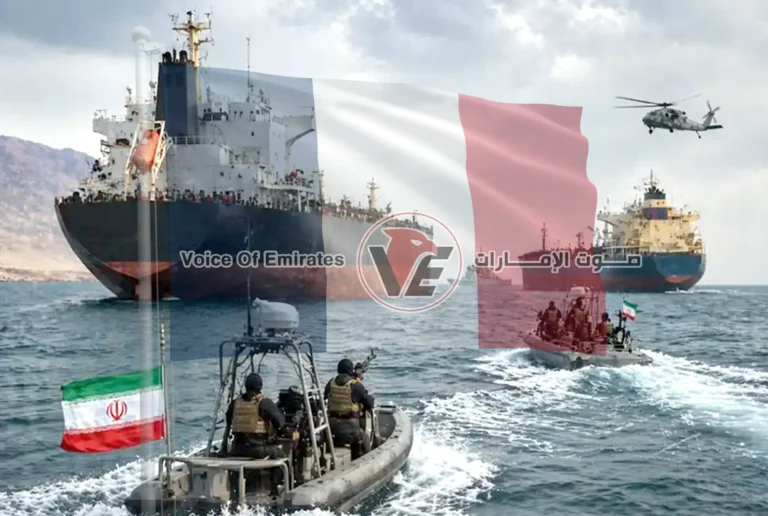
Paris, France – The French Minister of the Armed Forces stressed that ensuring freedom of navigation in the Strait of Hormuz is an urgent necessity not only for the security of the region, but also for the stability of the entire global economy.
She emphasized that any disruption to the movement of commercial vessels or oil tankers
in this strategic waterway would have direct repercussions on energy markets and international trade.
Hormuz is one of the world’s most important maritime arteries
The minister stated that the Strait of Hormuz is one of the world’s most vital maritime arteries.
Vast quantities of oil and natural gas pass through it daily, destined for Asian, European, and global markets.
Therefore, maintaining its security is a shared international responsibility that transcends the borders of the littoral states.
She explained that France is closely monitoring security developments in the Gulf region
and is doing so in coordination with its European partners and international allies.
She noted that the stability of international shipping lanes is essential for protecting the global economy
from sudden shocks. Such instability could lead to higher energy prices and disruptions to supply chains.
She added that any threat to navigation in the Strait of Hormuz would not only
affect the energy sector but also global trade, maritime transport, and commodity prices.
This, in turn, could impact inflation and economic growth rates in many countries around the world.
International concerns over maritime security
The Minister stressed that the international community is required to intensify its political
and diplomatic efforts to ease tensions and ensure the safe continuation of the movement of commercial ships.
She stressed the importance of respecting international laws related to freedom of navigation
and not exposing vital sea lanes to any risks that might affect global economic stability.
Experts believe that the Strait of Hormuz constitutes a major focal point in international energy trade.
It connects oil and gas producers in the Gulf to global markets.
This makes it one of the most sensitive sea lanes in the world.
Also, any disturbance in shipping traffic through it often has a rapid impact on oil prices and global financial markets.
The French statements come amid growing international concerns about the impact of regional tensions on maritime security.
This occurs against a backdrop of repeated calls from major powers and international organizations
to maintain the stability of strategic shipping lanes and ensure the uninterrupted flow of trade and energy.
Observers emphasize that the security of the Strait of Hormuz will remain one of the most prominent
issues on the international community’s agenda in the coming period.
This is due to its pivotal role in the stability of the global economy and energy security.
This is particularly important given the rapidly evolving geopolitical challenges facing the region.