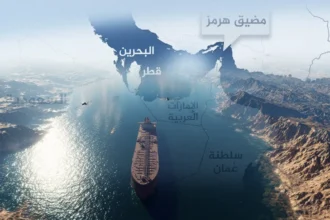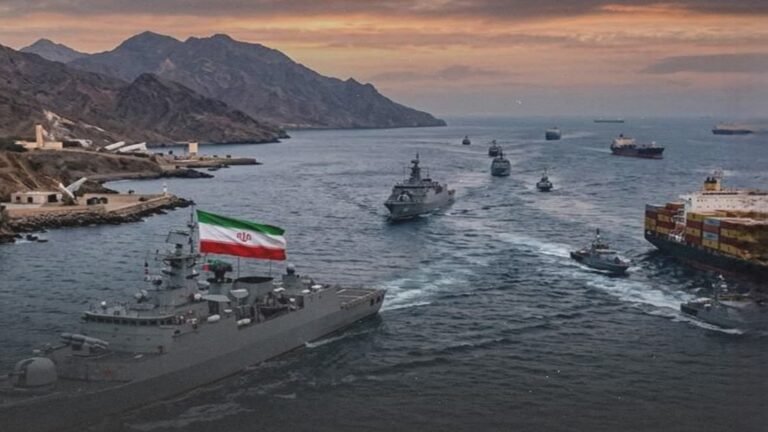
Tehran, Iran – In a new complication to the rapidly evolving diplomatic landscape, Reuters reported today that a senior Iranian official stated the Islamic Republic will not reopen the Strait of Hormuz in exchange for a “temporary ceasefire.” The official explained that Tehran is skeptical of Washington’s intentions and believes the current US administration is “not prepared” to enter into a permanent and comprehensive ceasefire to end the conflict that began last February.
Tehran’s position on the Pakistani proposal
The Iranian official confirmed that his country had indeed received a proposal from Pakistan for an immediate ceasefire. He indicated that the leadership in Tehran is currently studying it. However, he emphasized that Iran categorically rejects any pressure to accept deadlines for making a decision. This was a reference to the deadline set by US President Donald Trump, which expires Tuesday evening.
Details of the Pakistani plan: A race against time.
These statements come at a time when informed sources have revealed details of the “rescue plan” prepared by Islamabad. Islamabad is playing the role of the sole and central channel of communication. The plan is based on a two-phase approach:
Phase One: An immediate and comprehensive ceasefire to stop the bloodshed of the field escalation.
Phase Two: Entering into direct negotiations to draft a comprehensive agreement that addresses the root causes of the conflict and ensures the security of waterways.
The source indicated that the timing is extremely critical. Agreement on all elements is expected today, Monday, to draft a preliminary memorandum of understanding. The Pakistani mediation team hopes to secure the approval of both sides before Washington carries out its threats to target Iranian infrastructure. This scenario could ignite the entire region.
Global markets are on alert
Global markets are holding their breath, awaiting a breakthrough from Islamabad. Reaching an agreement would mean ending the blockade of the Strait of Hormuz. Twenty percent of the world’s oil supply passes through the strait, and its closure has caused a dramatic surge in energy prices. Tehran, however, rejects a “temporary truce” as a precondition for reopening the strait. Meanwhile, the international community is watching to see if Pakistani diplomacy can bridge the gap between a “temporary” and a “permanent” agreement, thus averting the “hellish” scenario that has loomed over the region in recent hours.