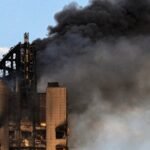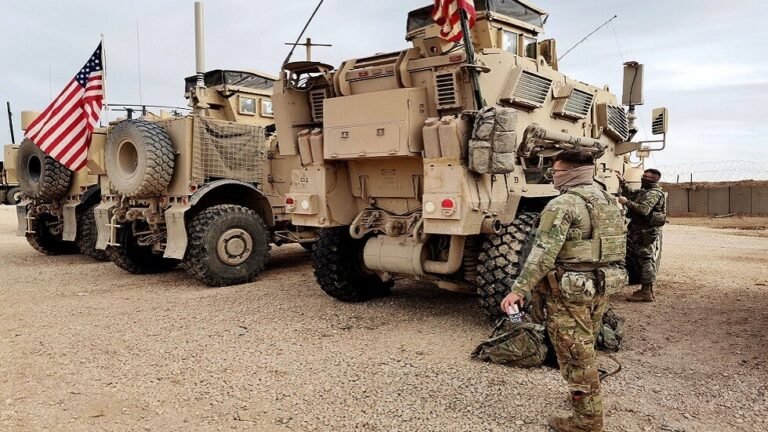
Kuwait – Iraqi armed groups announced early Sunday morning that they had carried out attacks targeting interests associated with the “American presence” in Kuwait.
The announcement came in an official statement issued by the “Ashab al-Kahf” faction, one of the groups operating under the umbrella of the “Islamic Resistance in Iraq.” The statement confirmed that the operation was carried out using “appropriate weapons.”
Retaliatory response and warnings to civilians
The group’s statement explained that this attack was a “direct response” to the earlier bombing of the Shalamcheh border crossing between Iraq and Iran. The statement emphasized that military operations against the American presence would continue and escalate in the coming period. The group also issued a warning to civilians, urging them to “immediately stay away from areas where American forces and their agents are present.” This suggests the possibility of repeated attacks in vital areas or near populated centers.
Context of the incident: Targeting “Basra’s lung”
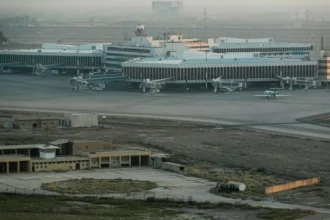
This escalation comes a day after Iraqi authorities announced that the Shalamcheh border crossing in Basra province had been subjected to heavy shelling. The shelling resulted in the death of one civilian and injuries to five others. In addition, significant material damage was inflicted on the crossing’s infrastructure on the Iraqi side. This attack caused a halt to operations and trade for several hours. The crossing later resumed operations for travelers and goods.
The repercussions of transferring the conflict to neighboring countries
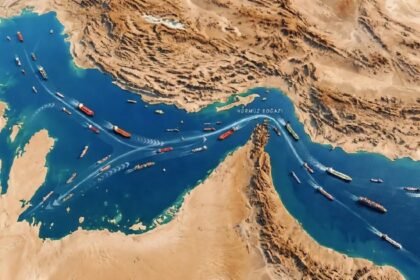
The targeting of American interests in Kuwait represents a dangerous shift in the rules of engagement. Iraqi factions are seeking to expand the conflict beyond the immediate geographical borders of Iraq and Iran. They also aim to exert pressure on the logistical bases supporting the American presence in the region. Observers believe this move jeopardizes the security of neighboring countries and further complicates the diplomatic and security landscape. This complexity is exacerbated by the heightened state of alert at American bases in the Gulf, anticipating further retaliatory attacks. All eyes remain on Kuwait and the security of its vital infrastructure. Concerns persist about the region sliding into a cross-border war of attrition.