Brussels, Belgium – Disagreements within the European Union are escalating once again over the war in Ukraine. This time, the dispute centers on proposals to use frozen Russian assets to finance support for Kyiv.
The move has sparked a clear division among member states and opened the door to a wide range of legal and political debates.
Serious legal repercussions
Some European countries, particularly the Baltic states and Poland, are pushing for the complete seizure of Russia’s frozen assets.
They are demanding that these assets be used to provide military and economic support to Ukraine,
arguing that this constitutes “legitimate compensation” for the losses Kyiv has suffered as a result of the war.
In contrast, other countries, such as Germany and France, have expressed significant reservations.
They have warned of serious legal repercussions that could result from seizing these assets,
especially regarding violations of international law and property rights.
Furthermore, there are concerns about a potential loss of confidence in the European financial system.
Hundreds of billions of euros
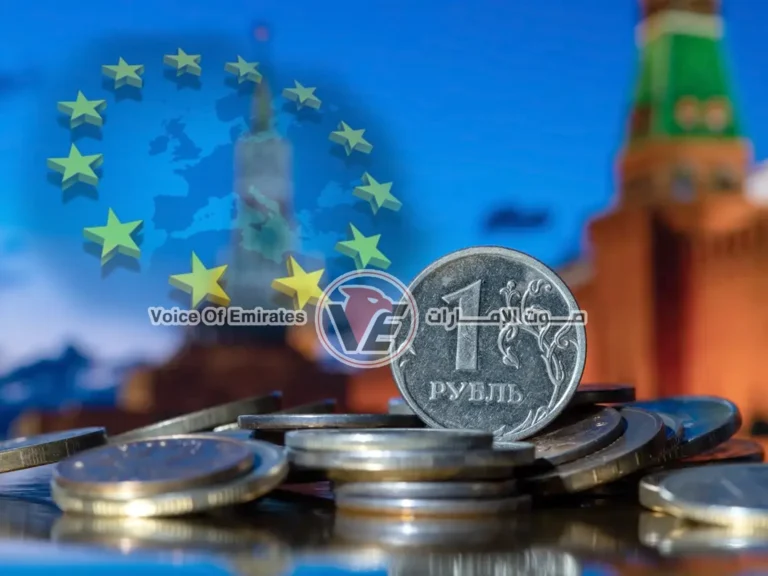
Estimates suggest that Russia’s frozen assets within the European Union are worth hundreds of billions of euros.
Most of these are reserves held by the Russian central bank, making them an attractive, yet risky, target.
Economic experts have warned that unilaterally seizing these funds could prompt other countries to withdraw
their investments from Europe, fearing a repeat of the scenario.
This, in turn, could threaten the stability of the euro and undermine the continent’s appeal as a safe haven for investment.
Cracks within the European house
Amid these divisions, the European Commission is trying to find a compromise,
such as using the proceeds from these assets instead of the principal.
This is seen as a middle ground that satisfies the various parties without leading to a direct legal confrontation.
This dispute reveals new cracks within the European Union.
It comes at a time when the Union needs maximum cohesion to confront the repercussions of the ongoing war.
This puts the unity of the European position to a difficult test in the coming period.