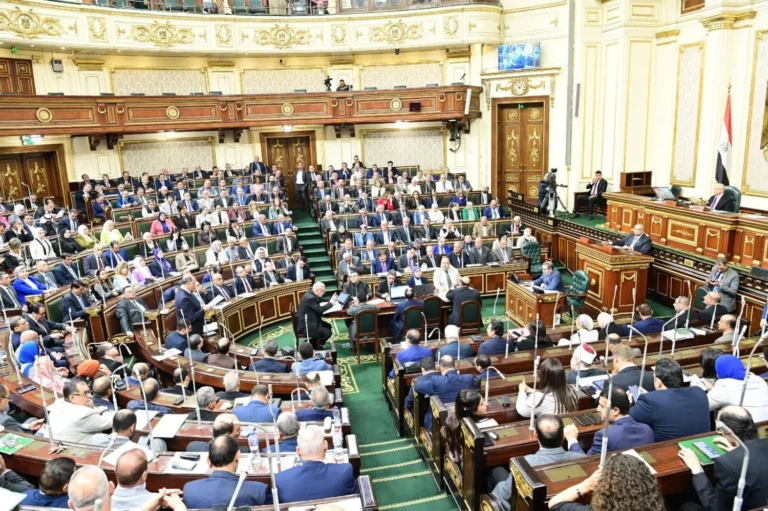
The Egyptian House of Representatives witnessed a significant legislative shift in the energy and advanced technology sector during its plenary session today. The House approved in principle a government-proposed bill amending certain provisions of Law No. 7 of 2010 concerning the regulation of nuclear and radiological activities.
Closing gaps and increasing regulatory efficiency
During the session, MP Tarek El-Molla, Chairman of the Energy and Environment Committee in the House of Representatives, reviewed the joint committee’s report on the draft law, emphasizing that the primary objective is to develop the legal framework governing this vital sector. El-Molla explained that the amendments directly aim to enhance the efficiency of the Nuclear and Radiological Regulatory Authority, enabling it to perform its regulatory duties with greater independence and effectiveness, thus ensuring the highest standards of nuclear safety. The Chairman of the Energy Committee pointed out that the practical application of the current law, which has been in place for over 15 years, has revealed legislative gaps and overlapping jurisdictions. Consequently, urgent legislative intervention was necessary to clarify concepts and strengthen legal discipline in a sector characterized by extreme sensitivity and strategic dimensions linked to national security.
Key features of the amendments: Definition accuracy and fee controls
The parliamentary report addressed the key features of the proposed amendments, which focused on redrafting the definition of “radioactive facilities” to be more precise and clear. This measure aims to prevent uncontrolled expansion of legal interpretation and to establish a clear distinction between entities using simple radioactive sources and large facilities that are subject to strict nuclear oversight. As a result, this will streamline licensing procedures and ensure that oversight is applied where appropriate. The amendments also included a comprehensive update of the fees system for licenses, permits, and regulatory approvals.
MP Tarek El-Molla emphasized that the revised fees were designed to align with current economic changes, while fully adhering to the constitutional provisions governing fee imposition. He also stressed the importance of ensuring that these resources are directed towards enhancing the technical and laboratory capabilities of the Nuclear Regulatory Authority.
A step towards the nuclear future
This legislative move coincides with the accelerated progress of the Dabaa nuclear power plant project. Through these amendments, the Egyptian government seeks to reassure the international community and strategic partners that the Egyptian legislative environment is characterized by both flexibility and rigorous oversight. Parliament is scheduled to continue discussing the articles of the law in detail in upcoming sessions before its final approval. Furthermore, this ensures Egypt’s leading position in the peaceful uses of atomic energy.