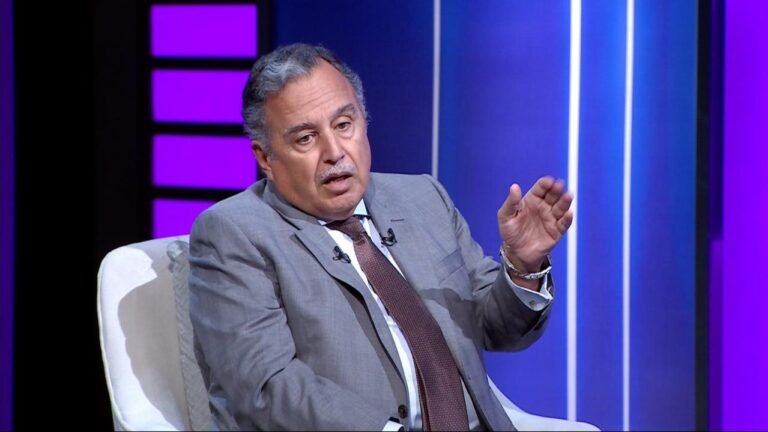
Cairo, Egypt – In a significant diplomatic development, high-level diplomatic sources have reported that Dr. Nabil Fahmy, the former Egyptian Foreign Minister, has been chosen as the Secretary-General of the League of Arab States. This comes after he received broad support and consensus from Arab foreign ministers during their recent meeting.
Arab acceptance and diplomatic consensus
Fahmy’s nomination came after weeks of intensive consultations among Arab capitals. Cairo officially put forward his name as Egypt’s candidate for this high-ranking position. This nomination was met with considerable approval in Arab political circles, surpassing other prominent names that had been circulating behind the scenes in diplomatic circles. These names included the current Foreign Minister, Badr Abdel-Aty, the former Foreign Minister, Sameh Shoukry, and even Prime Minister Mostafa Madbouly. The Egyptian government considered Dr. Nabil Fahmy the most suitable figure to lead joint Arab action at this sensitive time, especially in light of calls to “rotate” the position among member states. His extensive diplomatic experience and political balance made him a consensus choice. This choice ensures the continuation of Egypt’s pivotal role while remaining open to the aspirations of all Arab states.
A long diplomatic career
The new Secretary-General hails from a distinguished Egyptian diplomatic family; he is the son of the late Ismail Fahmy, who served as Foreign Minister under President Anwar Sadat (1973-1977). Ismail Fahmy was known for his principled stances, notably resigning in protest against the Camp David Accords negotiations. Nabil Fahmy followed in his father’s footsteps, assuming the Egyptian Foreign Ministry portfolio during a critical period in the country’s history (July 2013 to June 2014). During his tenure, he successfully reshaped the balance of Egyptian foreign policy. The nomination is expected to be officially and definitively announced in the coming weeks, paving the way for its approval by the Arab League leaders at their upcoming summit. With this selection, the Arab League is poised for a new era under Fahmy’s leadership. He is seen as an architect of quiet diplomacy, capable of fostering Arab unity amidst the rapidly evolving geopolitical challenges facing the region.