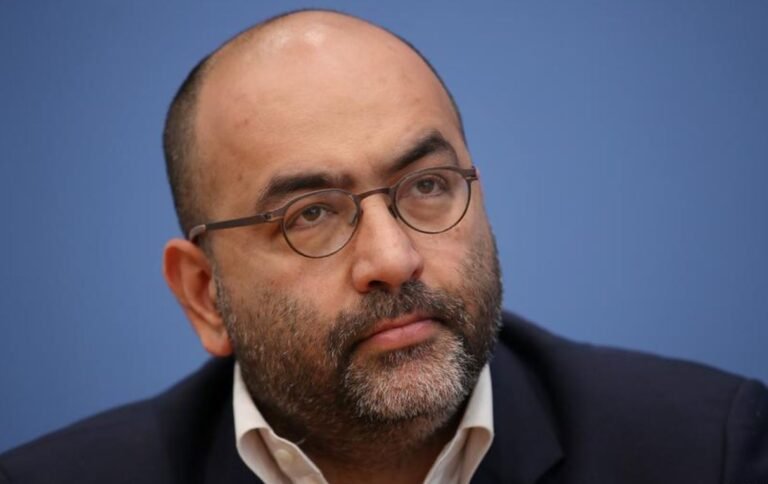
Berlin, Germany – As the full-scale military confrontation against Iran enters its second month, German Parliament Vice President Omid Nouripour issued a stark warning that the Iranian regime has not yet exhausted its full arsenal of escalatory options. He asserted that Tehran’s military and political capabilities “have not yet been depleted” despite the intensity of the strikes.
A stranglehold on the global economy
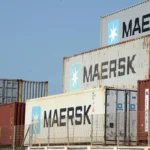
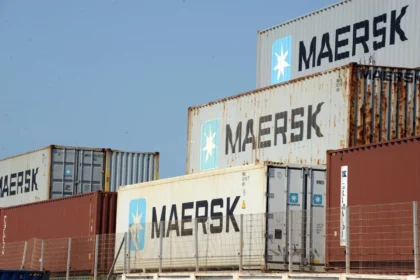
In an interview with the German newspaper Neue Osnabrücker Zeitung, the Green Party politician of Iranian descent explained that Tehran has the capability to paralyze international trade through its allies in Yemen. Nouripour stated, “They can close the Bab el-Mandeb Strait, and this would not only mean a halt to oil supplies but also a complete cessation of all goods arriving from East Asia.” He added, “In doing so, they would be tightening their stranglehold on the entire global economy.”
The Houthis enter the direct confrontation line
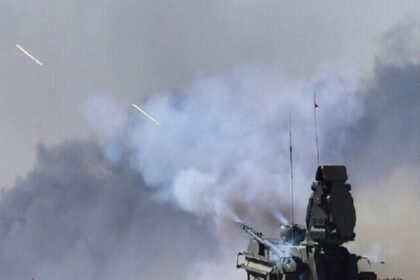
These warnings come amid a dangerous development on the ground; the Israeli army announced Saturday morning that Yemen had launched a missile toward Israel, the first direct attack of its kind from Yemeni territory since the start of the conflict. This escalation puts trillions of dollars’ worth of global trade at grave risk, including in the Red Sea and the Gulf of Aden, which form the strategic link between the Indian Ocean and the Mediterranean Sea.
The absence of an American plan and the stability of the regime
Nouripour criticized the Western strategy, noting that Iran’s rulers had been preparing for this scenario for decades. In contrast, the United States initially appeared to lack a clear plan and now “doesn’t know how to get out of this situation.”
He emphasized the absence of any indications that the core of the Iranian regime is being shaken. On the contrary, Nouripour believes that Tehran “increasingly feels capable of winning this war,” benefiting from the complexities of geopolitics and its network of regional allies.