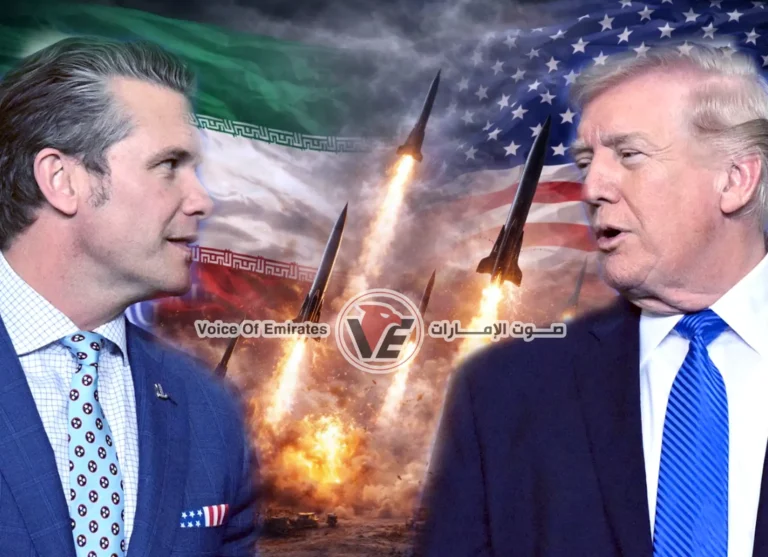
Washington, DC – Donald Trump blamed Defense Secretary Pete Higseth for promoting the idea of war against Iran. He asserted that Higseth was among the first to raise this option within the administration.
This came during a conference held in Tennessee, at a time when the crisis with Tehran is witnessing an unprecedented escalation.
Embarrassing statements and conflicting positions
During the conference, Trump turned to Hegseth, pointing out that he was the first to call for military action.
He justified it by the need to prevent Iran from acquiring a nuclear weapon.
The moment appeared awkward, with the Secretary of State simply smiling and offering no comment.
This reflected a divergence in rhetoric within the administration
between those advocating escalation and those relying on diplomatic solutions.
Economic concerns and energy pressures
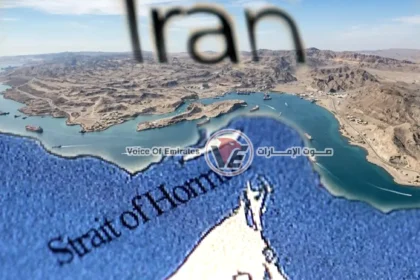
In a related context, Fatih Birol warned of serious repercussions for the global economy, particularly given the ongoing tensions in the Strait of Hormuz.
Approximately one-fifth of the world’s energy supply passes through the Strait of Hormuz.
He noted that markets are facing a double shock in the oil and gas sectors.
This is reminiscent of the major energy crises of the 1970s.
Mutual threats and a negotiating path
Trump had issued an ultimatum to Tehran, giving it 48 hours to guarantee freedom of navigation and threatening to strike energy facilities.
He later announced a five-day postponement of any military action to allow for negotiations.
In response, Iran vowed to retaliate against any attack on its infrastructure by targeting energy facilities in the region.
This reflects the continued tension despite talk of progress in the talks.