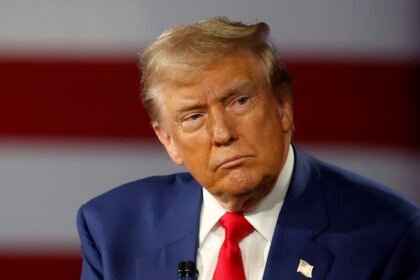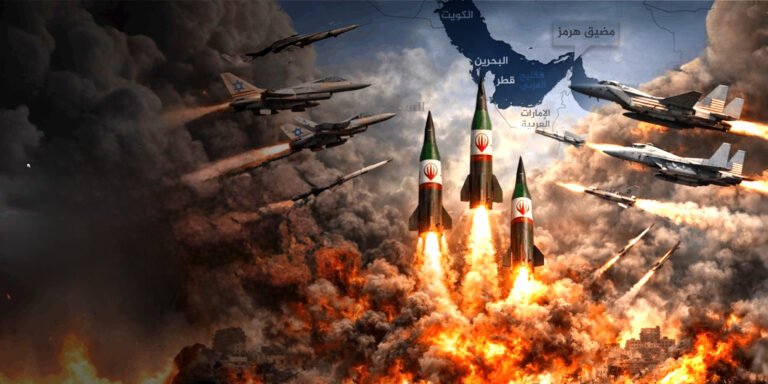
Beijing, China – Amid escalating tensions in the Gulf region, China finds itself facing a complex dilemma. This comes after US President Donald Trump called for international intervention to secure navigation in the Strait of Hormuz, one of the world’s most vital energy chokepoints.
China, the world’s largest oil importer, views the Strait of Hormuz as a vital artery that cannot be disrupted. Approximately one-third of the world’s seaborne oil supply passes through it. Therefore, any threat to the strait directly impacts the Chinese economy and its industrial stability.
Despite US pressure, Beijing is adopting a cautious policy based on the principle of “non-direct military involvement.” Nevertheless, China is focusing on diplomatic solutions and de-escalation. China does not want to appear as a party to a conflict that could harm its strategic relationship with Iran, a key partner in the Belt and Road Initiative.
Conversely, the Chinese leadership recognizes that neglecting to secure energy supplies could expose it to internal challenges. This is especially true given the increasing domestic demand for energy. This is driving it to indirectly bolster its maritime presence through protection patrols and limited international participation.
Observers believe that Beijing is attempting to play a balancing act. On the one hand, it does not want to lose Iran. On the other hand, it cannot ignore its substantial economic interests with the Gulf states. Furthermore, increasing Western pressure to guarantee freedom of navigation is also a factor.
Ultimately, China appears to be navigating a narrow political strait. It is carefully calculating its steps, as any decision could reshape its global role, balancing its status as a rising economic power with that of an international force expected to shoulder greater responsibilities in global crises.