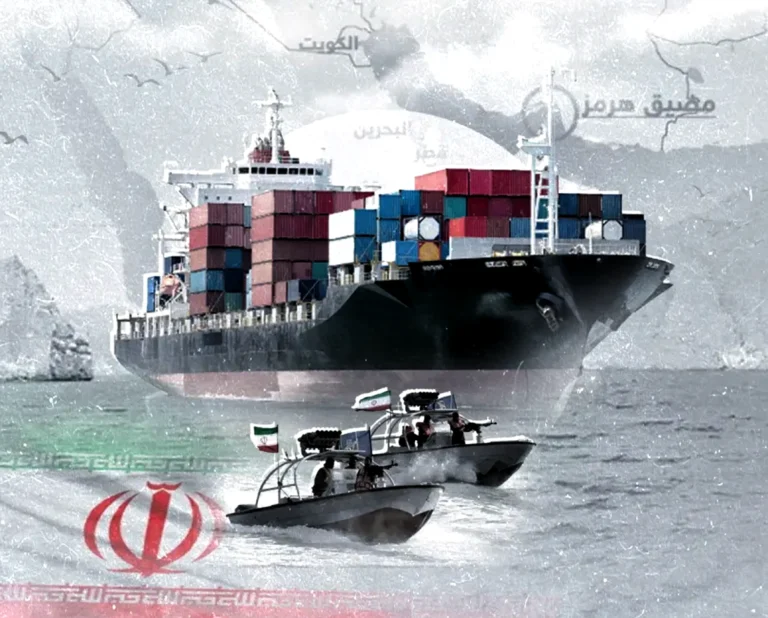
London, Britain – Sources familiar with the matter told Bloomberg News that Iran is unwilling to discuss reopening the Strait of Hormuz while military attacks continue. Meanwhile, Tehran is focused on containing the fallout from the strikes targeting its infrastructure and officials. This further complicates navigation in one of the world’s most important waterways.
Navigation disrupted and chances of de-escalation diminished
Sources explained that the continued bombing and military escalation have weakened the chances of reaching a swift agreement to resume commercial shipping through the Strait of Hormuz. Approximately one-fifth of the world’s oil and liquefied natural gas supplies pass through this strait. Therefore, shipping traffic has effectively been disrupted.
European fears of an economic shock
Officials in Europe and the Middle East have expressed concern over the lack of a clear exit strategy from the crisis, amid expectations of deeper economic turmoil. EU leaders have also warned of the potential for a sustained price shock in energy markets. Such a shock could drive inflation to high levels and potentially lead to a short-term recession.
Widespread repercussions for global energy markets
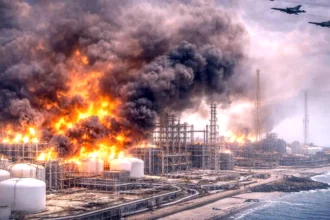
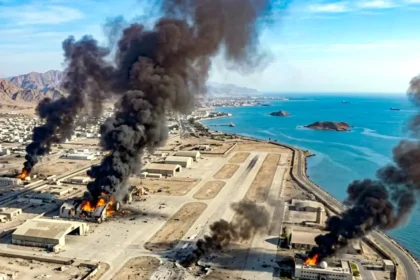
Concerns intensified after major energy facilities in the region were targeted. This development threatens the stability of global supplies, particularly with the disruption of some gas exports. A continued crisis is also expected to lead to fierce competition between Europe and Asia for energy resources. Meanwhile, Russia could benefit from higher prices, further complicating the global geopolitical and economic landscape.