Brussels, Belgium – Bloomberg News, citing informed sources, revealed that NATO is seriously considering bolstering its missile defense presence in Turkey. This comes as a direct response to escalating threats from Iran.
This move comes amid rising regional tensions and the transformation of Turkish territory into a testing ground for the alliance’s deterrent systems.
These developments have prompted military leaders to reassess their defense strategies in the region.
Upgrading the systems at Incirlik Air Base
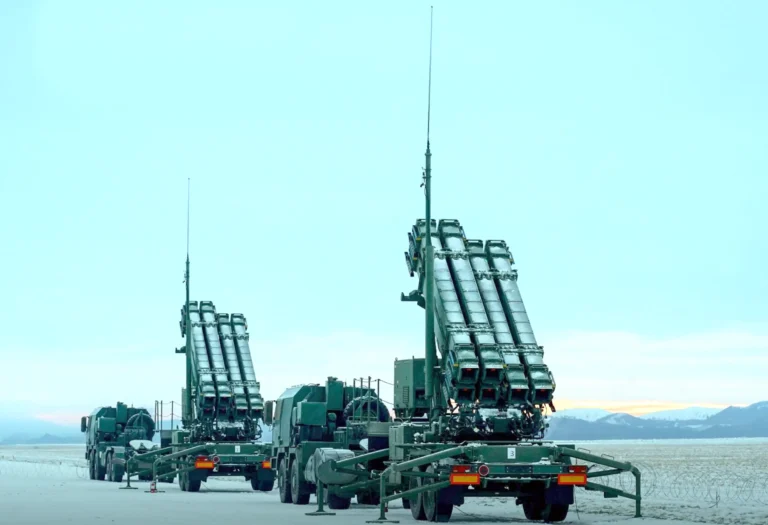
According to sources, the alliance is currently discussing the deployment of an additional Patriot PAC-3 missile system to bolster the security of air bases housing US forces,
particularly the strategic Incirlik Air Base in southern Turkey.
While the base currently houses a Spanish-made Patriot PAC-2 system,
the proposed new PAC-3 system offers more advanced and effective protection
against the sophisticated ballistic missiles recently developed by Tehran.
This would provide the stationed forces with a stronger security umbrella.
Korjek radar under fire
The AN/TPY-2 radar system, located in the Kurecik region of eastern Turkey, is a cornerstone of this defense strategy.
It serves as an early warning system, closely monitoring Iranian missile activity.
Sources suggest that this particular radar was the target of at least one recent Iranian missile attack.
Security circles consider this a systematic Iranian attempt to weaken American early warning systems in the region.
.This follows similar attacks targeting comparable radars in Jorda
NATO… aerial interceptions
Since the beginning of March, NATO air defense systems in the eastern Mediterranean have intercepted three missiles launched from Iran.
One of the most significant of these incidents occurred over Incirlik Air Base on March 13th.
This has made bolstering defensive capabilities an urgent necessity to protect hundreds of American and coalition personnel.
Consequently, this escalation reflects an Iranian desire to test the alliance’s response and the readiness of its systems.
Messages of deterrence
While NATO and the Turkish Ministry of Defense refrained from issuing immediate official statements,
a senior military official stated that the alliance is in a state of “constant adaptation” to evolving threats.
Analysts believe that the deployment of additional defense systems in Turkey sends a strong deterrent message to Tehran.
This message implies that any attempt to target the alliance’s infrastructure will be met with a sophisticated technological defense.
Consequently, the effectiveness of Iran’s missile arsenal in the complex regional conflict equation is diminished.