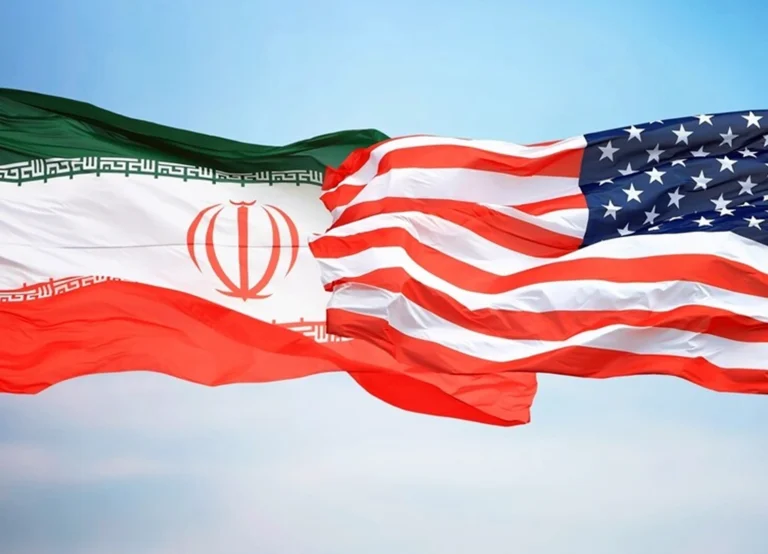
Tehran, Iran – In a new escalation reflecting the Iranian authorities’ efforts to stifle opposition movements abroad, the Iranian Public Prosecutor’s Office issued a strongly worded warning to Iranians residing overseas. The statement threatened severe penalties, including the confiscation of all assets, for anyone found to be involved in what it termed “association, unity, and cooperation” with the United States and Israel. The statement even asserted the possibility of imposing the death penalty.
Legal cover for maximum penalties
This warning comes in light of recent legislative amendments. The Attorney General’s office explained that the announcement is directly based on Article 1 of a new law passed by the Islamic Consultative Assembly (Parliament) in October of this year. This law stipulates harsher criminal and financial penalties for charges of “espionage and collaboration with Israel and hostile states.” Observers view this as an attempt to legitimize the persecution of political and economic dissidents and activists.
The law does not stop at imposing physical punishments. It focuses, in an unprecedented manner, on the financial aspect, considering the assets of activists inside Iran to be “hostage” to their political stances abroad. Thus, thousands of Iranians face the risk of losing their real estate and financial assets in their country.
Targeting marches and digital activism
The judicial statement was not a coincidence, but rather came after a wave of sharp criticism launched by pro-government media outlets against Iranian communities in Europe and North America. These communities have recently been active in organizing large marches and demonstrations denouncing the policies of the Islamic Republic. Tehran considers this cross-border popular mobilization to be part of a “soft war” and collaboration with foreign intelligence agencies.
In parallel, security and judicial institutions have intensified their daily warnings to citizens inside and outside the country against “digital documentation.” They have also explicitly warned against sending any videos or photographs documenting sites targeted by military or security operations during the recent war. They consider the circulation of such material to be “disclosing state secrets” and facilitating the tasks of the “Zionist enemy.”
Messages from inside and outside
Analysts believe that Tehran’s resort to the “confiscation” card reflects a desire to cripple activists’ ability to finance their activities and send a clear message of intimidation to anyone considering supporting the opposition from abroad. With regional tensions persisting, the Iranian judiciary appears to have decided to escalate the confrontation, shifting the conflict from the political arena to the courts and financial seizure lists.