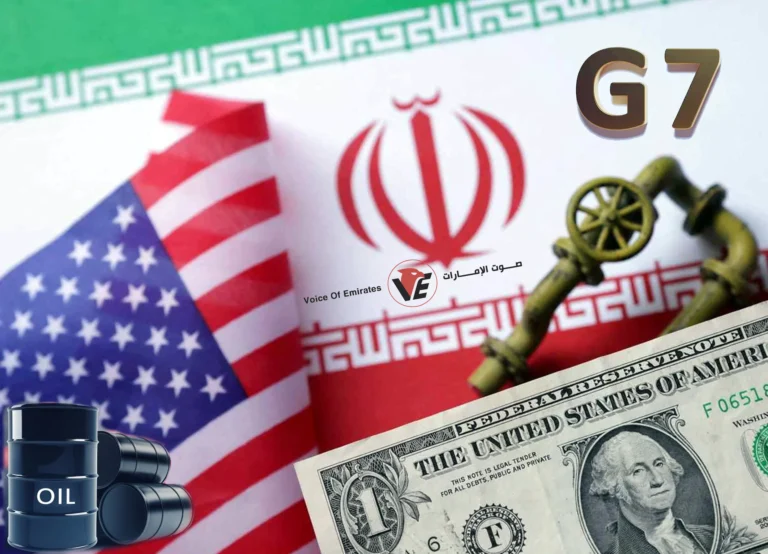
Voice of the Emirates – At a critical juncture for the global energy market, and under the weight of escalating geopolitical tensions in the Middle East, international reports have revealed a broad initiative led by major economic powers to contain the oil price surge. Reuters, citing a senior French government source, reported that the G7 countries have put forward an emergency plan to launch a coordinated strategic petroleum reserve. This comes in an attempt to inject liquidity into the market and calm global anxieties.
“Big Monday” meeting and the context of the crisis
Finance ministers from the G7 group of nations—the United States, Britain, Canada, Japan, France, Italy, and Germany—are scheduled to hold a crucial meeting today, Monday, March 8, to discuss the immediate economic repercussions of the Iranian crisis. This meeting comes at a time of unprecedented market turmoil. Supply shortages and political uncertainty have combined to create a perfect storm in the energy sector.
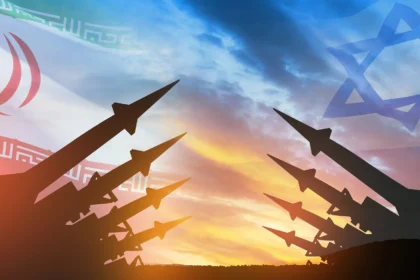
Oil price have surged to historic highs, fueled by the decision of major producers to cut output. This coincided with a pivotal political development in Tehran: the appointment of Mojtaba Khamenei as the new Supreme Leader of the Islamic Republic was seen as a clear message to the international community that the hardliners remain in power. As a result, hopes for a diplomatic breakthrough, which some markets had pinned on to reduce tensions in vital waterways, have evaporated.
Surpassing the $100 mark and European concerns
In a statement reflecting the gravity of the situation, a spokesperson for the European Commission confirmed that the Iranian crisis and its on-the-ground repercussions were the primary driver behind the surge in oil price to over $100 per barrel. This figure represents an economic “red line” for importing countries, as it threatens new waves of inflation that could undermine global economic recovery efforts.
In parallel with the G7’s actions, the European Union announced a full mobilization of its oil and gas supply coordination groups. An emergency meeting is scheduled for the same day (March 8). The meeting will focus on two key points:
Assessing the direct impact: Examining the extent to which supply chains are affected by the ongoing conflicts in the Middle East. The possibility of the conflict expanding to include the Strait of Hormuz will also be discussed.
Inventorying stocks: Conducting a thorough and comprehensive assessment of the oil reserves held by EU member states. The aim is to determine their resilience in the event of supply disruptions or if prices remain at their current record highs.
Emergency reserves: the last resort
The G7 decision to activate its emergency reserves is the economic “nuclear option,” a tool typically reserved for extreme emergencies. For decades, these countries have maintained massive stockpiles to counter sudden supply disruptions. Today, Western leaders seem to view Mojtaba Khamenei’s rise to power as a harbinger of a prolonged confrontation. Therefore, this tool is deemed necessary to protect consumers and ensure the stability of energy-intensive industries.
Economic experts suggest that this move, if implemented collectively and in a coordinated manner across the three continents (America, Europe, and Asia), could temporarily reduce prices by 5% to 10%. However, the long-term effectiveness of this measure remains uncertain, particularly if the current escalation on the ground continues or if major producers (OPEC+) maintain their existing production cuts.
The future of energy: between diplomacy and the field
International powers are now attempting to manage the crisis along two tracks: the first is the technical track of injecting reserves, and the second is the political track, which seeks to anticipate the direction of the new Iranian leadership. Market stability is no longer solely dependent on the volume of oil supply, but has become hostage to the “political prime” (political risk premium) imposed by the new reality in Tehran.
At the end of this long day of meetings, the eyes of traders and ordinary citizens alike will turn to the major capitals. Everyone is waiting for the “white smoke” that might signal an international agreement preventing the global economy from sliding into stagflation driven by fuel prices.