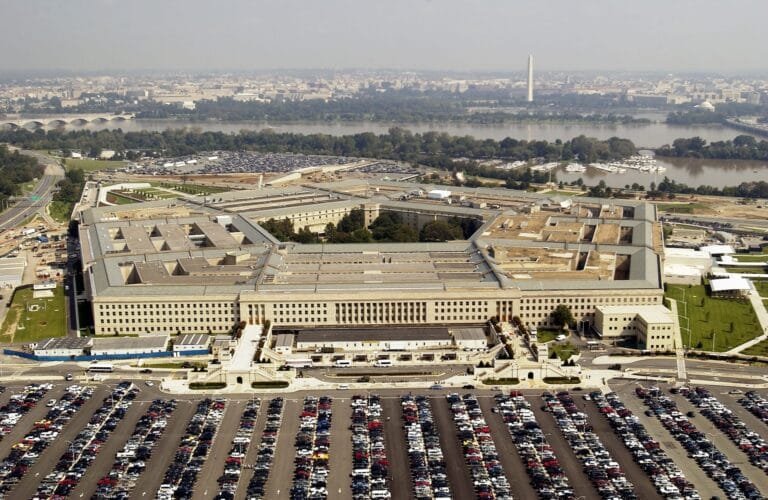
Washington, DC – Intelligence and media reports, spearheaded by Reuters, have revealed unprecedented US military preparations targeting deep inside Iran. This comes at a time when the diplomatic track faces a critical test. Sources indicate that the US Department of Defense (Pentagon) has drawn up plans for a “protracted” military operation that could last for weeks. They also clarified that the operation goes beyond limited or swift strike scenarios.
Military escalation and expansion of the target bank
According to US officials, the current preparations are more complex and comprehensive than those seen last summer.
For the first time, leaks indicate that the potential target bank will not be limited to nuclear facilities. It may also include targeting sensitive military and security sites inside Iran with the aim of weakening its decision-making apparatus. The targets also include bases and platforms believed to be used for launching missiles or managing regional operations.
US Secretary of Defense Pete Hegseth announced the deployment of additional forces,
while President Donald Trump confirmed that a second aircraft carrier strike group is en route to the region to bolster the US naval presence in the Gulf of Oman and the Arabian Gulf.
Iran… and Trump’s warnings
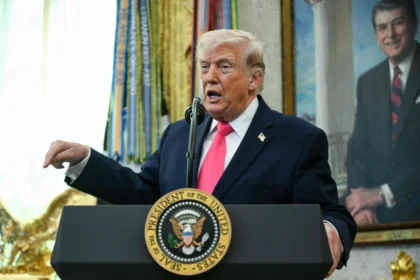
In strongly worded remarks, Trump said Washington was prepared to move to a “second phase” that would be “very difficult” for Tehran if an agreement completely prohibiting Iran from acquiring nuclear weapons was not reached.
According to White House sources, the American message is clear: “Either a comprehensive agreement that ends Iran’s nuclear and missile ambitions, or an attack even more devastating than what Tehran experienced last summer.”
A tense regional scene
In preparation for all scenarios, media reports indicate that the United States has secretly deployed Starlink base stations into Iran.
Analysts interpret this move as an effort to secure alternative communication networks in the event of
a military confrontation and the disruption of traditional networks.
The region is on high alert, as these military movements coincide with sensitive negotiations
that could determine the course of the crisis in the coming weeks. While meetings continue behind closed doors, naval and air forces are simultaneously being reinforced.
Therefore, the likelihood of the situation escalating into a wider regional conflict increases should the negotiations falter.