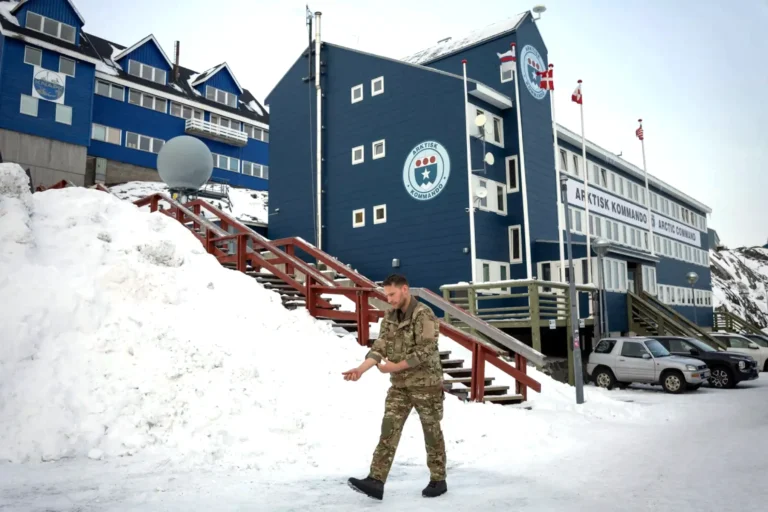
Brussels, Belgium – NATO plans to launch its new Arctic Sentry mission in the coming days, according to five sources familiar with the matter.
This move aims to bolster the alliance’s role in the Arctic region, which is experiencing increasing geopolitical importance. There is also growing international competition for influence there.
The decision to launch the mission could be made this week. This is according to three European diplomats, a military official, and a source familiar with the matter.
This coincides with a meeting of NATO defense ministers in Brussels. There, security issues in the Arctic are expected to be a key item on the agenda.
Strengthening defense cooperation
The Arctic Sentry mission aims to enhance reconnaissance and surveillance capabilities in the Arctic. In addition, it will strengthen defense cooperation among NATO member states.
This comes amidst rapid changes in the region due to melting ice and the opening of new sea routes. There is also increased military activity by some international powers.
Sources indicated that launching this mission has a political dimension in addition to its military aspects.
It is seen as a move aimed at easing tensions between US President Donald Trump and some European allies,
particularly regarding Greenland, the self-governing Danish island with a strategic location in the Arctic.
This move comes as NATO reassesses its long-term strategy, focusing on regions experiencing increasing competition among major powers.
A vital center for international security
Among these regions is the Arctic, which has become a crucial hub for international security, supply chains, and energy.
The Arctic Sentry mission reflects a growing trend within the Alliance to strengthen
its collective presence in sensitive areas, rather than relying on individual member states’ initiatives.
This contributes to a unified defense vision and enhanced joint deterrence.
The official announcement of the mission is expected to spark extensive discussions both within and outside the Alliance.
This is particularly relevant given the increasing calls in Europe for greater defense autonomy.
At the same time, the need to maintain the cohesion of the transatlantic alliance in the face of escalating global security challenges is paramount.