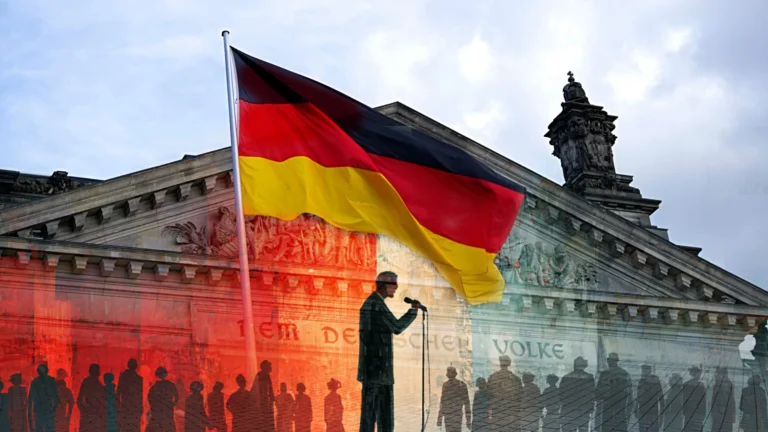
Berlin, Germany – The European arena is witnessing growing controversy following escalating international concerns regarding what international reports have described as restrictions on freedom of expression in Germany. This comes amidst legislation and regulatory measures aimed at curbing hate speech and extremist content online, raising questions about the balance between protecting society and preserving fundamental freedoms.
UN human rights experts have expressed concern that some laws and policies could, in certain cases, indirectly restrict freedom of opinion and expression, particularly concerning the removal of digital content and the legal prosecution of users for posts on social media platforms.
The German government is facing criticism from political and human rights groups who believe that the current measures could grant authorities broad powers to monitor content. Berlin, however, maintains that the legislation aims to combat disinformation and hate speech and protect democracy from increasing digital threats.
This controversy comes at a time when Europe is engaged in a broad debate about regulating social media platforms, as countries attempt to find a balance between freedom of expression and digital security, especially given growing concerns about the spread of misinformation and foreign interference in political processes. Analysts believe the case could become a true test of the European model for managing the digital space. This comes amid calls for a review of oversight mechanisms to ensure that citizens’ fundamental rights are not violated. This could open the door to a broader legal and political debate within the European Union in the coming period.
International concern mounts… Warnings of declining freedom of expression in Germany spark widespread political and legal debate
Germany: Controversy over hate speech and surveillance

Medhat Elsheikh
Medhat El-Sheikh, editor-in-chief of the Voice of Emirates News Agency office in Cairo, is a seasoned Egyptian journalist with extensive experience both within Egypt and abroad....


Between praise and emotion.. how did the world’s newspapers cover Mohamed Salah’s departure?
The announcement of Mohamed Salah's departure from Liverpool at the end of this season has topped the headlines of international…

After 9 years, Mohamed Salah officially announces his departure from Liverpool
London, England – Mohamed Salah, the star of Liverpool FC and captain…
Energy emergency in the Philippines: The repercussions of the Hormuz crisis are impacting fuel supplies
International concerns about the impact of the escalation on energy markets
The Egyptian Ministry of Health raises state of emergency in hospitals in anticipation of bad weather
The Ministry of Health is taking comprehensive precautionary measures