Washington, DC – The United States rejected Iran’s demands on Wednesday to change the venue and format of the nuclear talks scheduled for Friday, according to informed US sources. This move could derail diplomatic efforts and increase the likelihood of military action.
Two US officials told Axios that Iran’s new stance poses a significant obstacle to the dialogue. Tehran had been demanding a change of venue and format for the meeting, while Washington insisted on adhering to the original terms of the talks. The officials explained that this disagreement reflects the deep tension between the two sides and threatens efforts to reach an agreement that would peacefully halt Iran’s nuclear program.
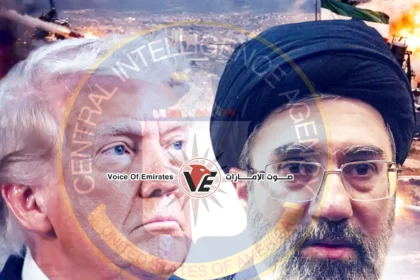
These developments come at a sensitive time, as US President Donald Trump considers his options regarding Iran. There are concerns that a failure of the talks could lead to a military escalation in the region. The officials indicated that Washington seeks to maintain an active diplomatic channel but will not concede to demands that it believes obstruct the negotiating process and impose unilateral conditions.
These talks are part of international efforts to prevent Iran from developing nuclear weapons, following years of escalating tensions between Tehran and the West. US officials are expected to face intense pressure to make a swift decision. They may be forced to proceed with negotiations in their current location or prepare for alternative options, including the use of military force, should the diplomatic stalemate persist.
This new crisis follows a series of political maneuvers between the United States and Iran. Washington is attempting to reach an agreement that limits Iran’s nuclear program and guarantees regional security. Iran, on the other hand, is seeking to strengthen its negotiating position by imposing new conditions on the upcoming meeting.
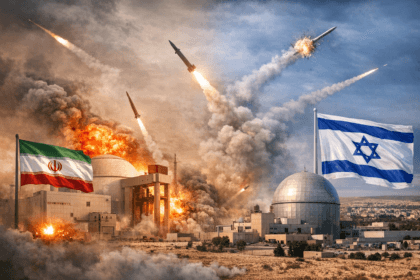
Analysis suggests that any failure of the negotiations could pave the way for a potential escalation in the Middle East. This would have a direct impact on international security and the stability of global energy prices. This makes the current situation extremely sensitive, both diplomatically and militarily.