Washington, DC – The US Central Command (CENTCOM) issued a strongly worded warning to Iran’s Islamic Revolutionary Guard Corps (IRGC), urging Tehran to refrain from escalation and adhere to “safe and professional” conduct during a planned naval exercise in the Strait of Hormuz, one of the world’s most important shipping lanes.
CENTCOM said in an official statement that the exercise will begin on Sunday, February 1, 2026, and will last for two days. The exercise will include the use of live ammunition. The US command affirmed that it expects the training to be conducted “safely and professionally.” However, it warned against any actions that could threaten freedom of navigation in the strait, through which approximately 100 commercial vessels pass daily.
The statement emphasized that the Strait of Hormuz is a vital artery for global trade, with nearly 20% of the world’s oil supply passing through it. This makes any disruption to the strait a direct threat to the international economy. CENTCOM acknowledged Iran’s right to conduct “professional” military activities in international waters. But it warned against low-flying aircraft, fast boats approaching on collision course, or pointing weapons at US forces or their regional partners.
This warning comes amid escalating tensions between Washington and Tehran. It also comes amid speculation about possible US strikes against Iranian targets. A Western source told Iran International that military action is “practically a foregone conclusion” following US-Israeli meetings. CENTCOM confirmed in this context that it will defend its forces. It also emphasized its military superiority and its commitment to international laws and standards.
For its part, Iran denied any escalatory intentions, describing the exercise as a “routine defensive” exercise aimed at enhancing military capabilities in the Gulf. However, analysts considered the move provocative in light of attacks launched by the Iranian-backed Houthis on ships in the Red Sea in recent months.
Regionally, the Gulf states, including Saudi Arabia and the UAE, expressed concern about the repercussions of any tension in the Strait of Hormuz. They called for international guarantees to protect navigation. In Egypt, economic experts warned of a potential surge in global oil prices should shipping traffic through the Strait of Hormuz be disrupted.
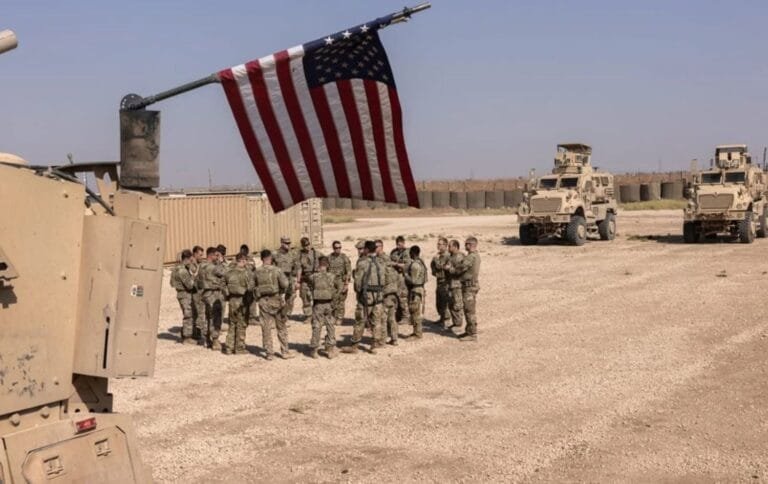
The maneuver coincides with a heightened US military presence in the Gulf, including the deployment of the aircraft carrier USS Eisenhower. CENTCOM confirmed it is closely monitoring developments and is prepared to respond to any threat. This escalation reflects the fragility of the security balance in the Middle East and the intertwining of geopolitical conflicts with global economic interests.
CENTCOM warns Iran’s Revolutionary Guard against escalation during naval exercise in the Strait of Hormuz
Iran and the Revolutionary Guard's maneuver in the Strait of Hormuz

Mohammed Elkaradawy
محمد القرضاوي، محرر في وكالة أنباء صوت الإمارات، مكتب القاهرة، وهو صحفي محترف وعضو نقابة الصحفيين المصريين، يتمتع بخبرة واسعة في تغطية ملفات الأمن القومي والتحقيقات...



A special screening of the film “EgyBest” is ready for release during the Eid al-Fitr season.
A number of art stars attended the special screening

Mohamed Salah leads Liverpool to a resounding victory over Galatasaray and qualification for the Champions League quarter-finals (video)
Liverpool, England - Egyptian star Mohamed Salah led his team Liverpool to…
Qatar declares Iranian military and security attachés persona non grata
Qatar and the impact of the diplomatic move on relations

A historic achievement: Mohamed Salah becomes the first African player to score 50 goals in the Champions League
Liverpool, England - Egyptian star Mohamed Salah continued to make…