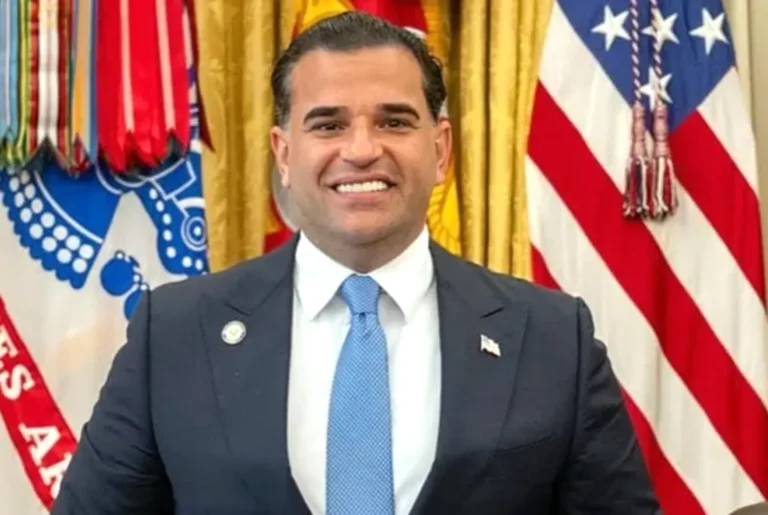
Baghdad, Iraq – In a notable escalation of the American rhetoric regarding the situation in Iraq, the US President’s Special Envoy to Iraq, Mark Savaya, issued a strongly worded warning about the spread of corruption, considering it the real danger that undermines reform and stability efforts in the country, and confirming that he has detailed knowledge of the mechanisms for smuggling and directing illicit funds and money.
In a blog post published on the “X” platform on Wednesday, Savaya said that any serious attempt to reform Iraq cannot succeed without directly and decisively confronting corruption, stressing that militias are merely a result of this reality, while corruption remains the root disease that is eating away at state institutions.Advanced network
He added that illicit funds don’t just flow through senior officials. Instead, they move to a greater extent through a vast network of lower-level actors. Money is funneled between this network, which includes family members, friends, bodyguards, drivers, and intermediaries.
The US envoy explained that this complex division of labor provides a layer of protection and plausible deniability. At the same time, it ensures the continued full operation of the corrupt system. He described it as a highly sophisticated network deliberately built and active for more than two decades.
He noted that these networks have managed to circumvent international laws, compliance frameworks, and auditing mechanisms. This enables them to finance, protect, and ensure the financial sustainability of Iranian-backed militias through illicit money flows.
fictitious salaries
Safaya stressed that any genuine effort to stabilize Iraq, restore its sovereignty, and dismantle the militias must begin with dismantling the corruption networks. These networks serve as their financial lifeline and political protectors—by cutting access to money used to sustain them.
He also stressed the need to cut off major sources of corruption, such as ghost employees (those with fictitious salaries), fraudulent loans, and fictitious assets. He warned that ignoring these issues would inevitably lead to the failure of any other reform or security initiative.
The US envoy’s remarks come at a time of escalating domestic and international debate about the future of reform in Iraq. This is amid growing demands to hold those involved in corruption accountable and to rebuild state institutions on the foundations of transparency and the rule of law. Money remains central to debates about effective reform.