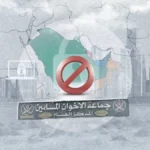
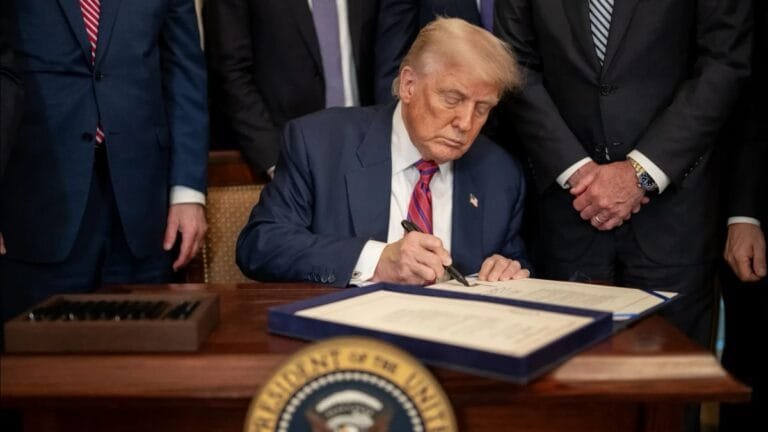
Washington, DC – The US decision to designate branches of the Muslim Brotherhood in Egypt, Jordan, and Lebanon as terrorist organizations has sparked a wide range of regional and international reactions. It has reflected a clear division in opinions between those who see it as a necessary step in combating extremism and those who are cautious, warning of its political and legal repercussions. The decision is viewed as a significant shift in the US approach to the Muslim Brotherhood, as it did not merely designate them in general terms but targeted specific branches based on accusations of supporting extremist activities or providing environments conducive to violent ideology.
Official welcome from countries affected by the group’s activities
In Egypt, the US decision was met with widespread official approval. Cairo considered it confirmation of the validity of its long-standing position, which has been to classify the Muslim Brotherhood as a terrorist organization that threatens national security and destabilizes the state. Egypt viewed the US move as bolstering international efforts to cut off the sources of terrorism, particularly funding and logistical support.
In Jordan, the decision came within a political and security context that had already witnessed official measures to curb the group’s activities. This led to a cautiously welcoming reaction, with the US designation seen as an additional boost to existing policies aimed at protecting internal stability and preventing organizational infiltration.
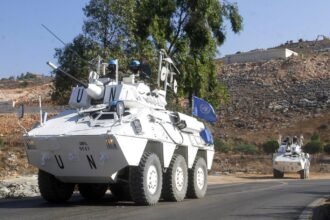
A Lebanese official issued a warning amid the complexities of the internal situation.
In Lebanon, reactions were cautious, given the complex political and sectarian balance. Political circles expressed concerns about the decision’s repercussions on the domestic situation, particularly given the intertwining of political activity with the religious and social activities of certain groups. Nevertheless, calls emerged to distinguish between legitimate political activity and any activities that might be linked to extremism or threaten public security.
Western support and legal reservations
In the West, some political circles welcomed the American decision, viewing it as a necessary step toward confronting transnational organizations with ideological agendas. They pointed out that these organizations exploit legal loopholes to operate under political or social guises. Conversely, other parties expressed reservations, emphasizing the need for strict legal standards when classifying organizations. They also warned that the decision could lead to legal or political controversy within some countries that do not adopt the same approach.
Potential repercussions for international relations
Politically, the US decision is expected to reshape security cooperation priorities between the United States and several of its partners. It could pave the way for broader coordination in areas such as intelligence sharing and asset freezes, as well as the pursuit of financing networks linked to designated organizations. The decision may also put pressure on other countries to reassess their stances on the Muslim Brotherhood and its affiliates. This comes amid questions about the possibility of expanding the designations to include additional entities in different regions.
Between security and freedom of political action
The controversy surrounding the American decision reflects a broader conflict between two approaches:
The first view holds that the Muslim Brotherhood, with its ideological and organizational structure, represents a long-term threat to security and stability. Therefore, dealing with it must be decisive.
The second point warns that expanding the classifications could open the door to the political manipulation of laws. It could also affect political pluralism in some contexts.
In conclusion, the US decision and the reactions to it reveal a new phase in international dealings with the Muslim Brotherhood. This phase is characterized by both greater severity and controversy. While several countries view the move as direct support for counterterrorism efforts, its political and legal ramifications remain open to further developments, potentially leading to broader regional and international repercussions in the coming period.