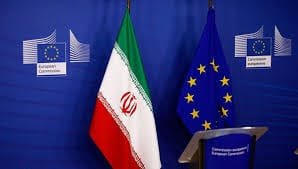
Brussels, Belgium – In the broadest and most intense diplomatic move in years, European capitals have launched a massive pressure campaign against the Iranian regime. This comes in response to what they describe as the regime’s “excessive violence” and systematic digital blackout in response to popular protests. The question now being asked in international political circles is: Has the Iranian regime lost its international legitimacy in the eyes of Europe?
The Netherlands is leading a diplomatic “uprising”.
The Netherlands spearheaded a major European movement, with its Foreign Minister, David van Wel, announcing the summoning of Tehran’s ambassador in The Hague. The minister expressed his “shock and horror” at the images of the bloody crackdown, demanding that Brussels take immediate punitive measures, including:
The Iranian Revolutionary Guard has been officially designated a terrorist organization.
Imposing targeted sanctions that directly target those responsible for issuing the orders of repression.
For his part, Dutch Prime Minister Dick Choof described the internet blackout in Iran, which lasted for more than 100 hours, as a “crime and a flagrant violation” of human rights. He called for an end to the violence and the immediate release of those detained.
Historic decision by the European Parliament
In an unprecedented escalation, the European Parliament passed a historic resolution barring all diplomats and representatives of the Iranian regime from entering its premises in Brussels and Strasbourg. According to the Parliament’s leadership, this move aims to deny Tehran any platform for gaining international legitimacy. This comes at a time when Tehran is using live ammunition against its own people.
A united front and an Iranian “defensive” response
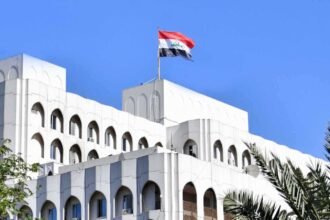
The measures didn’t stop there; Spain summoned the Iranian ambassador in Madrid. Germany, France, Britain, and Ireland also issued strong statements of solidarity with the “peaceful protesters.” These countries affirmed their support for the protesters’ legitimate demands, citing human rights reports indicating that hundreds had been killed. In response, Tehran attempted to maneuver through “video diplomacy.” Its Foreign Ministry summoned the ambassadors of Britain, Germany, France, and Italy to present footage alleging “violence” by the protesters. This was an attempt to halt the growing international support for the popular uprising.
These developments on the ground and in diplomacy indicate that Europe has already made up its mind. Between the expulsion of diplomats and the demand to designate the Islamic Revolutionary Guard Corps (IRGC) as a terrorist organization, it seems that bridges between Tehran and Western capitals have been largely severed. This situation places the Iranian regime in a suffocating international isolation that may be the most severe in its history.