Washington, DC – Popular protests in Iran entered their thirteenth day with unprecedented momentum. Millions of demonstrators took to the streets in dozens of Iranian cities on Friday evening, defying direct threats from Supreme Leader Ali Khamenei. This occurred amidst a near-total internet blackout.
Strongly worded American warnings
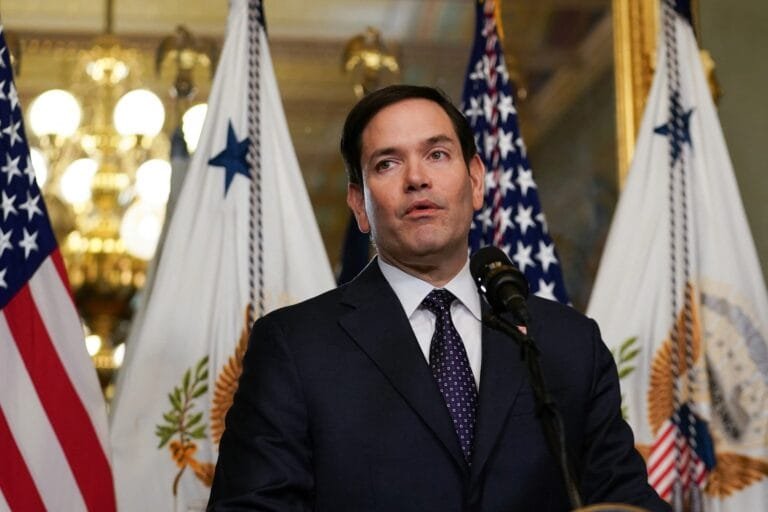
Internationally, a firm American stance has emerged regarding the ongoing developments. US Secretary of State Marco Rubio affirmed in a social media post that “the United States stands with the courageous people of Iran.”
US President Donald Trump stated that the people now control some cities. He issued a stern warning to the Iranian regime, saying, “If [the Islamic Republic] starts killing people, we will take action and strike them very hard and very hard where they are weak.”
The protests have spread to the ground.
Despite the bloody crackdown, reports from inside Iran indicate that the number of protesters on Friday night far exceeded that of the previous night (January 8). Key flashpoints in the capital, Tehran, included large gatherings in strategic areas such as Dezashib, Quds Square, Seyyed Khandan, Niavaran, Ashrafi Esfahani, Tehransar, Sohrevardi Street, and Poonak.
Other cities that rose up: The spark of protests spread to the cities of Mashhad, Yazd, Shiraz, Qazvin, Tabriz, Karaj, Qom, and Pakdasht. Protesters burned government symbols and clashed with security forces.
Challenging Khamenei’s rhetoric and international reports
This escalation on the ground came as a direct response to Ali Khamenei’s speech in which he described the protesters as “saboteurs and foreign mercenaries.” Observers believe that his attempt to attribute the protests to foreign interference failed to quell public anger and instead fueled it. Reuters, for its part, confirmed that the protests had become “more violent” in some areas. The agency reported that government buildings had been set on fire and noted a decline in the flow of information due to the regime’s technical restrictions.
Regional repercussions and flight disruptions
The internal crisis in Iran has begun to cast a shadow over the region. Dubai Airport announced the cancellation of at least 17 flights between Iran and the United Arab Emirates. This comes as a result of escalating unrest and the deteriorating security situation.