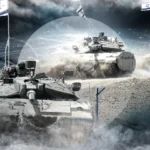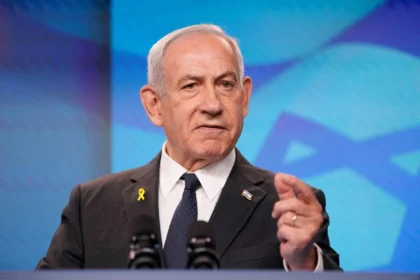
Tel Aviv, Israel — Israel’s public broadcaster *KAN* revealed today, Wednesday, a dramatic development in the U.S. position regarding the northern front. Prime Minister Benjamin Netanyahu informed his ministers that Israel has received a “green light” from Washington to carry out a military operation in Lebanon using advanced weapon systems. The Israeli army has already prepared a plan for a wide-scale attack targeting Hezbollah’s infrastructure. This move is framed as a final deadline. It will be implemented if Lebanese authorities fail to implement disarmament provisions. This places the region on the brink of an imminent confrontation.
The security equation: “Disarmament or combat”
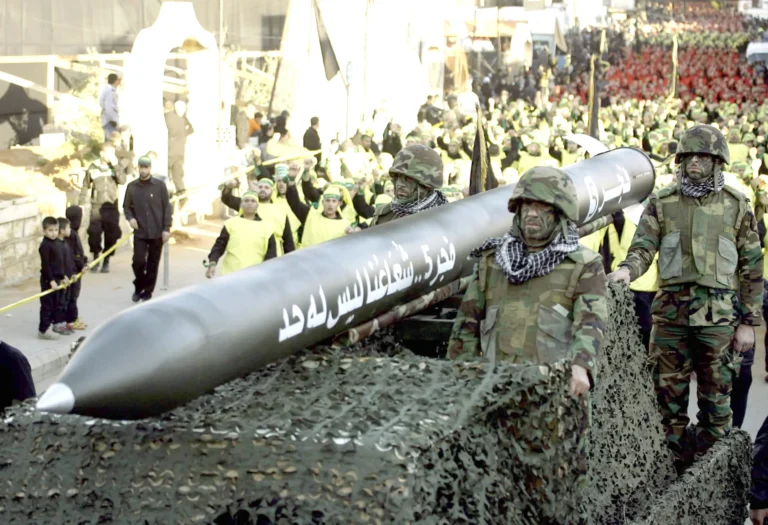
In the same context, reports quoted senior security sources as saying that the U.S. message was clear and firm. Washington considers Hezbollah’s continued armament and weapon stockpiling a direct threat to regional stability. Accordingly, if the party is not effectively disarmed, Israel will take on the task itself. This will occur “even if it leads to days of fighting.” Tel Aviv believes that Hezbollah has violated existing understandings by transferring heavy weapons south of the Litani River. It views this as an unacceptable security breach in 2026.
A shaky front and mutual accusations
Moreover, the ceasefire agreement reached under U.S. sponsorship in November 2024 is facing the risk of complete collapse. Despite having succeeded in ending a year of confrontations, both sides are trading accusations of failing to comply with its provisions. Israel continues to carry out what it describes as “surgical” strikes in southern Lebanon. These operations claim to target terrorist cells and weapon depots. In response, Hezbollah has raised its combat readiness. This increases the likelihood of slipping into a full-scale war that goes beyond sporadic strikes.
The Lebanese government: between pressures and capabilities
On the other hand, the U.S.-Israeli stance places direct responsibility for disarmament on the Lebanese state and the Lebanese Armed Forces. As the Lebanese government affirms that it is exerting its utmost efforts within the “available capabilities,” political circles in Beirut have viewed the Israeli threats, especially concerning weapon proliferation, as unprecedented pressure on national sovereignty. This could further complicate the internal landscape. The state finds itself facing the dilemma of balancing international pressure with a complex and challenging reality on the ground.
الخلاصة الاستراتيجية للموقف
It appears that Washington has decided to shift the Hezbollah file from the path of “diplomatic settlement” to that of “military resolution” through the Israeli proxy. Accordingly, the coming days remain decisive in determining Lebanon’s fate. This situation contributes to the shaping of a new balance of power in the Middle East. It could occur through political compliance with international decisions. Alternatively, it might result in a military confrontation involving significant weapon use. This could change the face of the region for many years to come.