Brussels, Belgium – At the height of a new wave of massive protests sweeping Iranian cities, Charlie Wimmers, a member of the European Parliament from the Sweden Democrats party,
A resounding call to the European Union to adopt a policy of “complete break” with the Tehran regime.
He stressed that the Iranian people are now writing the outlines of the end of the “repressive religious regime”.
diplomatic and technical escalation
In a message published via the (X) platform at the start of the new year, Wimmers,
a prominent member of the European Conservatives and Reformists group, identified
The European Union’s roadmap for confronting Iranian repression included three main axes:
Diplomatic isolation: Sever diplomatic relations with Tehran immediately
and expel the ambassadors of the Islamic Republic from all European capitals.
Breaking the digital siege: Supporting the Iranian people’s right to free
and unrestricted access to the internet to bypass government censorship and expose abuses.
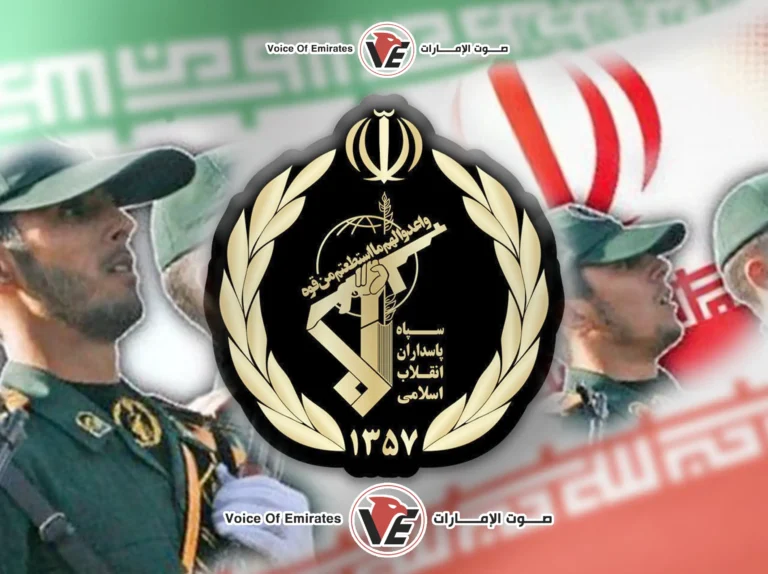
Designating terrorism: Renewing the call to designate the Iranian Revolutionary Guard
as a terrorist organization, a demand that Wimmers has championed for years.
Context of the protests: “Day Five” of anger
Wimmers’ message comes amid widespread protests described in reports as the most organized in years.
The wave of popular anger has entered its fifth day (since December 30, 2025).
Wimmers believes that European support should go beyond “statements of concern”
to actual engagement with the democratic opposition.
This is to plan for the “post-political Islam Iran” phase.
Conflict of positions: sanctions and accusations
Wemmers’ stance reflects the depth of his personal and political animosity toward Tehran;
since 2022, the Iranian Foreign Ministry has included Wemmers’ name on its sanctions lists.
While his positions enjoy broad support among right-wing and conservative blocs in Brussels,
Wimmers faces criticism from left-wing and centrist blocs who describe his approach as “extremist”.
He is accused of aligning himself with regional agendas (such as those of the United Arab Emirates),
allegations which Wimmers has consistently denied.
Timing implications
Analysts believe that the timing of the letter on January 1, 2026,
is intended to exert “maximum pressure” on the European Commission at the start of the year.
This is to extract decisive resolutions that will end decades of diplomatic dialogue with Iran.
Especially with increasing reports of escalating clashes between protesters
and Iranian security forces in the peripheral and central regions.