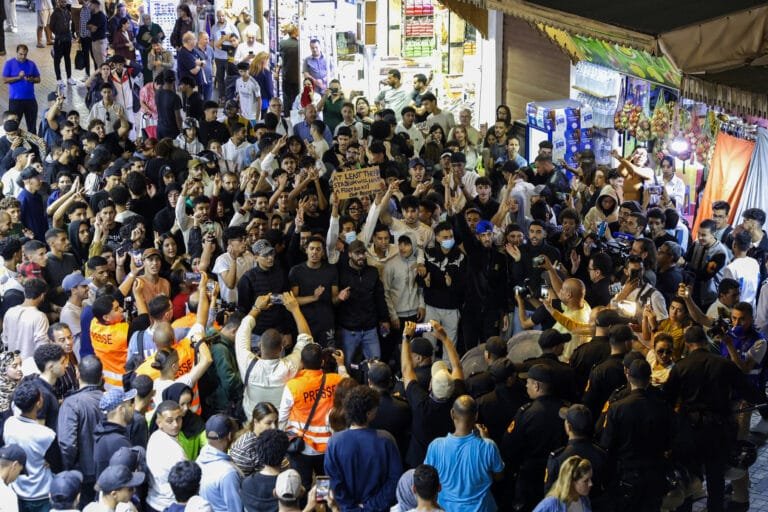
Cairo, Egypt – Since late September 2025, Moroccan cities have witnessed an unprecedented wave of youth protests. These are led by a previously unknown movement called Generation Z212 via social media platforms. Young people have taken to the streets demanding education and health reform and an end to corruption. They reject the government’s priorities. The government spends billions on sports and entertainment projects while hospitals and schools collapse.
Spark of Anger: Agadir Tragedy
The story began with a tragic accident at an Agadir hospital, where eight women lost their lives during childbirth. The incident unleashed simmering anger and brought Morocco’s public health crises to the forefront.
The streets explode, protests escalate.
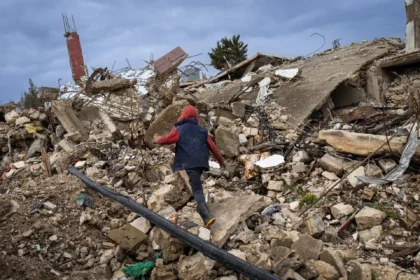
Cities such as Ait Amara, Inzegane, Agadir, Tiznit, and Oujda became flashpoints. Incidents erupted with the torching of cars and attacks on shops and businesses. The clashes resulted in 286 injuries, including 263 members of the security forces. More than 400 young people were arrested.
Dolphins instead of hospitals, street mockery
The government announced entertainment projects, including dolphin playgrounds and tourist attractions for the 2030 World Cup. This decision sparked widespread mockery on social media under the slogan “Dolphins instead of hospitals.” It is a reference to the shifting priorities, according to protesters.
Football stars side with Al-Shabab
The surprise is that the protests were not limited to the streets. Moroccan national team stars joined the fight to support the youth’s demands.
Marseille defender Nayef Aguerd stressed that the demands are legitimate, calling for a peaceful approach.
Yassine Bounou, goalkeeper for Saudi club Al Hilal, posted a video message. He affirmed that dignity, education, and health are basic rights.
Girona player Azzedine Ounahi posted photos of the arrest of protesters in an indirect message of solidarity with the demonstrators.
These positions strengthened the momentum of the protests. They demonstrated that the issue was no longer a limited local matter, but rather a national one. It rallied the street and its celebrities.
Is the government responding with reforms or promises?
The government said it understood the youth’s demands and announced significant increases in the education and health budgets. However, it emphasized that it would not tolerate attempts to vandalize property. The public believes that the numbers do not translate into reality. They think that reforms are slow in the face of the magnitude of the crises.
The essence of the crisis: confronting the generation and the state
What’s happening in Morocco today is not just a passing anger. Rather, it is a confrontation between a new generation that wants real services and basic rights. Meanwhile, the government insists on pursuing major projects that citizens don’t see as a priority. Amid street protests, dolphin mockery, and the support of soccer stars, the crisis is likely to continue unless serious reform is undertaken. This reform will restore trust between the youth and the state.