Cairo, Egypt – With the announcement of a ceasefire between Hezbollah and Israel following the October 2023 war, signs of diverging positions emerged within the so-called “Shiite duo.” This duo consists of Hezbollah and the Amal Movement, the most prominent representatives of the Shiite community in Lebanon. This long-standing political alliance has played a pivotal role in shaping the Shiite presence in Lebanon’s sectarian-based political system.
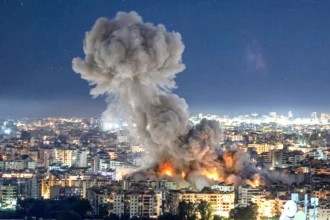
The recent war caused heavy human and material losses, particularly in Beirut’s southern suburbs and the border villages in the south. It also resulted in the assassination of a large number of Hezbollah leaders, including former Secretary-General Hassan Nasrallah. This strengthened the role of Lebanese Parliament Speaker Nabih Berri in determining the political direction of the Shiite community.
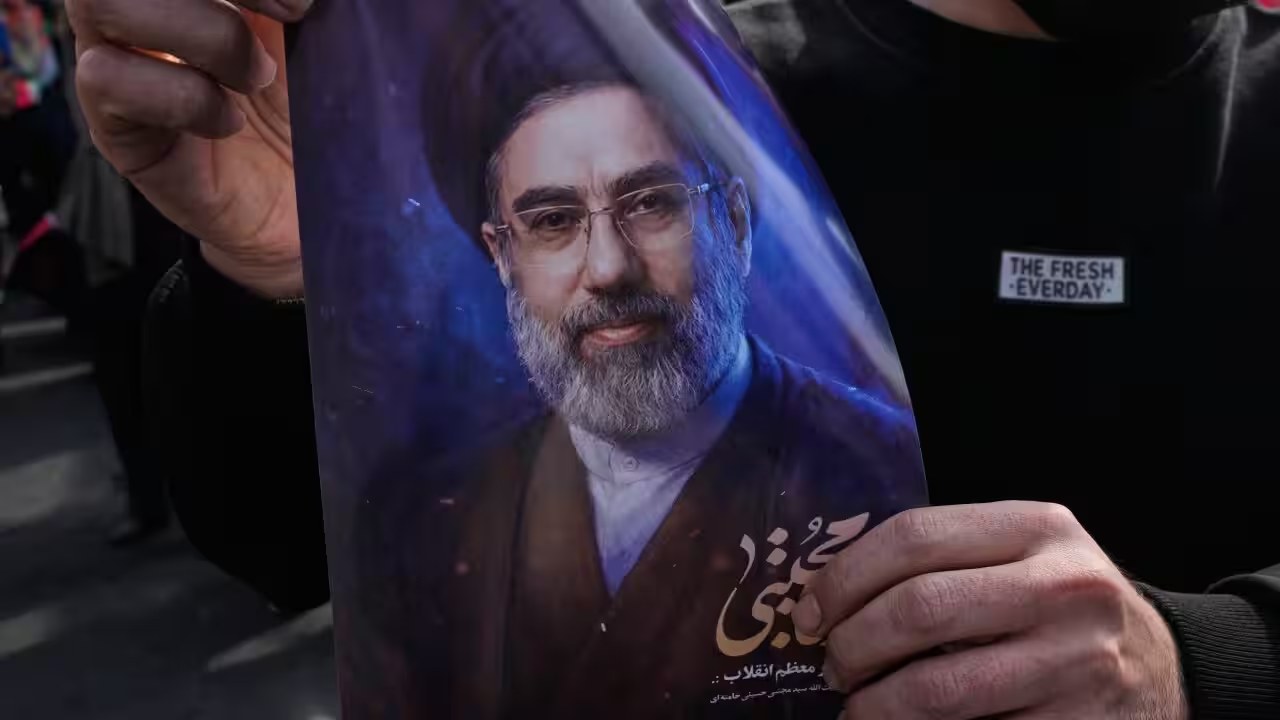
Berri led the ceasefire negotiations and began meetings with US administration envoys to explore the possibility of implementing the so-called “American Paper.” This paper serves as a starting point for discussions on the gradual disarmament of Hezbollah.
Roots of the Alliance
The relationship between the two parties dates back to the 1980s, when Hezbollah emerged from the Amal Movement. It was founded by Imam Musa al-Sadr in 1974. The relationship witnessed periods of tension and armed confrontation, such as the “War of the Camps” (1985–1988) and the “Regional War” in the southern suburbs and southern Lebanon. However, it remained linked by a common stance against the Israeli occupation.
With the end of the Lebanese civil war and the signing of the Taif Agreement, a kind of balance was achieved. The Amal Movement continued to manage relations with the state, while Hezbollah assumed defensive, military, and regional roles. The 2006 war with Israel represented a pivotal moment. The so-called “Shiite duo” crystallized, forming a stable political and security alliance, despite tactical differences between the two parties in elections and governments.
Disagreement or tactical difference?
The current disagreement lies in the handling of the recent ceasefire agreement. The agreement stipulated Israel’s withdrawal from Lebanese territory, the deployment of the Lebanese Army and UNIFIL forces, the resolution of the issue of prisoners and missing persons, and the control of border crossings. Despite the agreement, Israeli violations have continued almost daily. This has prompted Hezbollah to emphasize that the agreement is worthless without practical implementation. Berri, meanwhile, believes that the American paper could serve as a basis for future discussions, while preserving the “dignity of the resistance.”
Lebanese journalist Ibrahim Bayram believes that the grand strategy between Hezbollah and the movement has not changed: protecting the southern defensive line and avoiding division within the Shiite community, while keeping negotiations under Berri’s leadership from Ain al-Tineh.
The Shiite Street: Between Loyalty and Criticism
The popular bases of both parties are socially intertwined. You may find members of the same family supporting both parties, making it difficult to separate their constituencies. The debate over guns transcends party affiliation and becomes an emotional issue tied to identity and collective memory.
On the other hand, critical groups have emerged, particularly after the 2019 Lebanese financial crisis, criticizing the two parties’ performance on domestic issues. However, they do not deny their role in protecting the borders. Researcher Fouad Khreis points out that the Lebanese people stand together in major crises, transcending sectarian divisions. However, they are demanding urgent economic and social solutions.
An alliance based on common interests
The Hezbollah-Amal Movement alliance is not merely an electoral alliance; it represents a balance of interests, identities, and security solidarity that has accumulated over four decades. Despite occasional rhetorical contradictions, the core remains the same: protecting arms within the “national defense” narrative. Furthermore, the pursuit of measured political negotiations, while confronting governance, services, and the economy to maintain public confidence, is essential.
Ultimately, the Lebanese reality shows that the “Shiite duo” faces a double test: protecting the borders from Israel and ensuring the dignity of citizens in their daily lives amid an ongoing economic and social crisis.